
A Lineman’s Guide to Hand Tool Safety and Maintenance
The Foundation of Electrical Safety: Understanding High Voltage Risks
For linemen, working with high voltage is a daily reality, bringing with it inherent dangers that demand unwavering attention to safety. Unlike many other electrical roles, linemen operate in uncontrolled environments, often at great heights and in adverse weather conditions. The primary threats include direct contact with energized components, and the ever-present danger of an arc flash event. This is where a deep understanding of arc flash safety and rigorous safety protocols become paramount. Both a seasoned master electrician and a skilled journeyman electrician recognize that safety is not just about knowledge from the NEC code book, which governs installations, but about the practical application of workplace safety rules defined by authorities like OSHA and local employer policies.
Mastering Lineman Tool Inspection: A Daily Ritual
The single most effective habit for ensuring on-the-job safety is a thorough and consistent tool inspection routine. Daily tool maintenance and inspection are not just best practices; they are a lifeline. Before any work begins, every hand tool must be scrutinized for defects that could compromise safety. This process goes beyond a quick glance and involves a tactile, detailed examination of each component, from the cutting edge of a pliers to the handle of a screwdriver.
The Critical Role of Insulated Hand Tools
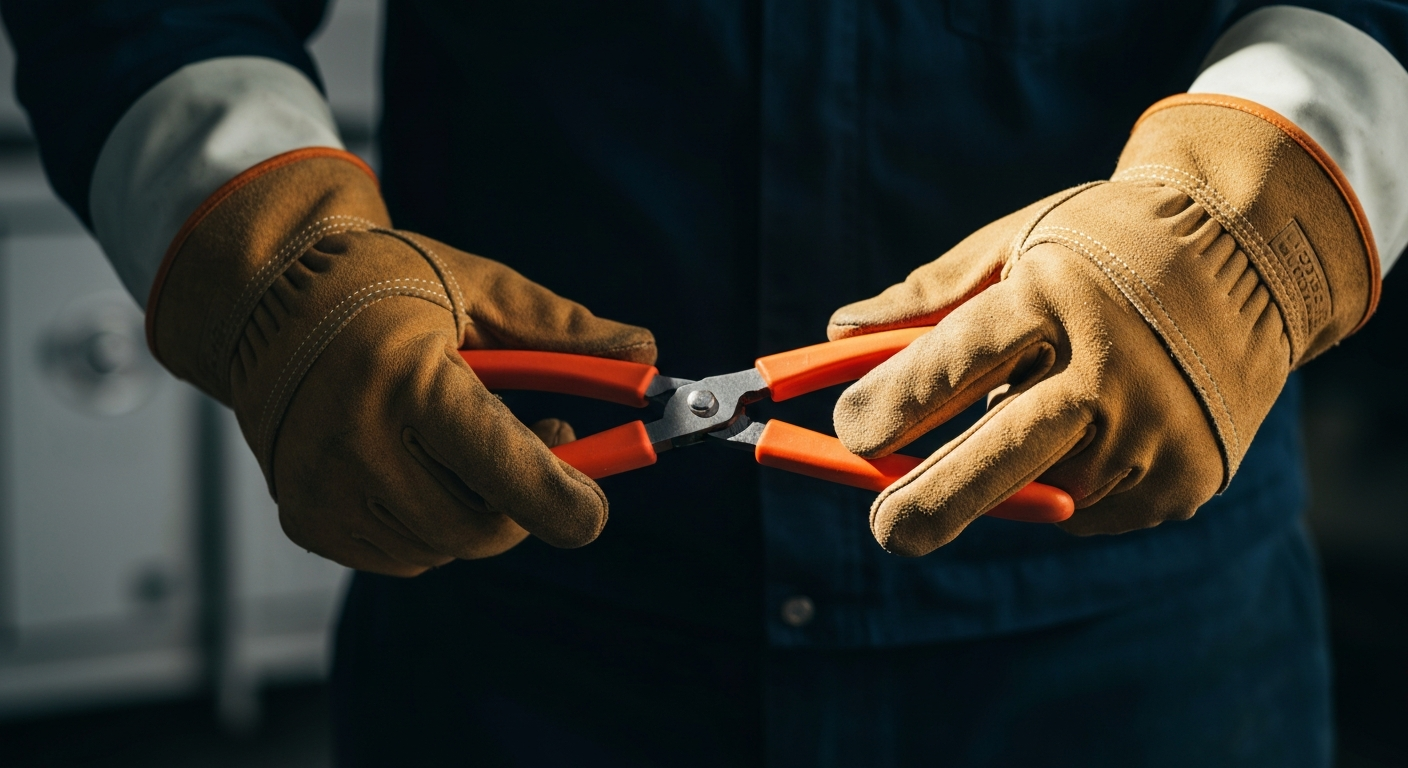
Insulated hand tools are a lineman’s primary defense when working on or near energized circuits. However, their protective properties are only reliable if the insulation is flawless. The integrity of the tool handle insulation is crucial. Check the manufacturer’s markings and certification information for the tool’s rated voltage (many live-work tools are rated by manufacturers for 1000 V use), and confirm the tool meets recognized safety standards identified by the manufacturer. Any breach in this protective layer, no matter how small, renders the tool unsafe for energized work. This is a key focus of any comprehensive electrical safety training program.
Step-by-Step Daily Tool Inspection Process
A systematic approach to lineman tool inspection ensures no detail is overlooked. Follow these steps before every use:
- Visual Examination: Check the entire tool for any signs of wear, damage, or contamination. On insulated tools, look for cuts, nicks, punctures, or cracking in the insulation. Pay special attention to the area where the handle meets the metal part of the tool, as this is a common point of failure.
- Check for Handle Integrity: Ensure the handles of insulated tools are secure and not loose. The outer layer of insulation should be free from embedded materials like metal filings that could compromise its dielectric properties.
- Test Mechanical Function: For tools with moving parts, such as pliers or cutters, operate them to ensure they move smoothly without sticking or binding. The jaws should align correctly, and cutting edges should be sharp and free of chips.
- Verify Certification Markings: Confirm any voltage rating or manufacturer markings are present. If a tool lacks clear rating or certification information for the intended work, do not use it on live circuits—contact the manufacturer or your safety officer for guidance.
- Clean Before Storage: After use, wipe tools clean of any dirt, grease, or moisture. This prevents corrosion and makes it easier to spot defects during the next inspection. Implementing proper tool storage protects tools from damage between jobs.
Essential Personal Protective Equipment (PPE) for Electricians
Hand tools are just one part of a complete safety system. Comprehensive electrical hazard protection requires integrating tool safety with the correct use of personal protective equipment (PPE) for electricians. This equipment is the last line of defense between a lineman and a life-altering injury. PPE for electrical work includes everything from flame-resistant clothing and hard hats to specialized voltage-rated gloves and face shields designed for arc flash safety.
Beyond Tools: Lineman Glove Classification and Hot Stick Safety
Rubber insulating gloves are arguably the most critical piece of PPE for a lineman. Understanding lineman glove classification is essential, as each class is rated for a specific maximum voltage; using a glove rated below the voltage you are working on is dangerous. Gloves must be air-tested by the user before each use and periodically tested and recertified per manufacturer and employer policy. Alongside gloves, hot stick safety is crucial for maintaining a safe distance from energized equipment. These insulated poles allow linemen to manipulate conductors, switches, and other apparatus from a position of safety. Like other insulated tools, they require regular inspection and testing as dictated by the manufacturer and your safety program.
How OSHA and Employer Policies Fit In
Compliance with applicable OSHA provisions and employer safety programs is essential. OSHA requires that tools be kept in safe condition in the workplace, and it enforces regulations for electrical safety in transmission and distribution work (for example, the standards related to power generation, transmission, and distribution). Manufacturers and employers determine the specific test intervals, documentation, and recertification procedures for dielectric testing and other verifications. If in doubt, follow the tool manufacturer’s instructions and your company’s written safety program.
Advanccd Safety Protocols and Best Practices
Beyond inspection and PPE, advanced protocols further enhance job site safety. Dropped object prevention is a major concern when working at heights. Using tool tethers and lanyards to secure hand tools prevents them from falling and injuring people below or damaging sensitive equipment. Equally important is the practice of proper tool storage. Tools should be stored in a way that protects their insulating properties and keeps them clean, dry, and ready for the next job. This meticulous attention to detail is a hallmark of a true professional. For example, knowing the right way to join conductors is fundamental; our guide on wire connectors like WAGO and wire nuts details these crucial components.
Furthermore, mastering foundational skills is key to safe execution. Refreshing your knowledge on tasks like how to properly strip and prepare a wire is essential. You can review the correct techniques in our detailed article on how to strip and terminate wire.
The right tool used the right way is a safe tool. Refresh your knowledge with our extensive library of online electrical courses designed for every stage of your career.
Key Takeaways for Lineman Hand Tool Safety
- Inspect Every Time: Never assume a tool is safe. Perform a thorough visual and functional inspection before each use.
- Respect Insulation Limits: Confirm a tool’s rated voltage and certification from the manufacturer before using it on energized circuits. If insulation is damaged, tag it and remove it from service immediately.
- Match PPE to the Hazard: Always wear the correct class of voltage-rated gloves and other necessary PPE for the specific task and voltage level, as specified by manufacturer and employer policy.
- Know the Standards and Roles: Familiarize yourself with OSHA requirements for maintaining a safe workplace and with the NEC for electrical installations; follow manufacturer guidance and your workplace safety program for testing and recertification intervals.
- Secure Your Tools: Implement a robust dropped object prevention program by using tool lanyards and tethers when working at height.
Primary Sources
- Occupational Safety and Health Administration (OSHA) guidance, including rules and interpretations for electrical work and PPE.
- National Fire Protection Association (NFPA) 70, the National Electrical Code (NEC), for electrical installation requirements and definitions.
Frequently Asked Questions
- What is the most important rule for lineman hand tool safety?
- The single most important rule is to perform a thorough visual and physical inspection of every tool, especially insulated hand tools, before every single use. No tool should ever be assumed safe without inspection.
- How often does electrical tool testing need to be performed on insulated hand tools?
- While daily user inspections are a standard best practice, actual dielectric testing intervals (for gloves, hot sticks, or insulated tools) are determined by manufacturer guidance and employer policy. Industry practice often calls for annual formal testing, but follow the specific instructions from the tool maker and your company’s safety program.
- What are the key OSHA hand tool standards for electricians and linemen?
- OSHA’s requirements for power generation, transmission, and distribution workers and its general tool-safety expectations are central. Employers must maintain tools in safe condition and establish appropriate testing and inspection regimes; the NEC governs installation requirements, not hand-tool testing intervals.
- Why is lineman glove classification so critical for high voltage work?
- Lineman glove classification matters because each class provides protection for a specific maximum voltage. Using a glove rated below the voltage being worked on can allow a dangerous electrical path through the glove. Verify glove class, follow manufacturer and employer testing guidance, and use leather protectors or overgloves as required by your safety procedures.
Continuing Education by State
Select your state to view board-approved continuing education courses and requirements:

Disclaimer: The information provided in this educational content has been prepared with care to reflect current regulatory requirements for continuing education. However, licensing rules and regulations can vary by state and are subject to change. While we strive for accuracy, ExpertCE cannot guarantee that all details are complete or up to date at the time of reading. For the most current and authoritative information, always refer directly to your state’s official licensing board or regulatory agency.
NEC®, NFPA 70E®, NFPA 70®, and National Electrical Code® are registered trademarks of the National Fire Protection Association® (NFPA®)
You may also like
Colorado Electrical Licensing Requirements and Reciprocity Guide
Standby Generators in DE: Navigating Coastal Storm Regulations

 Login with Google