
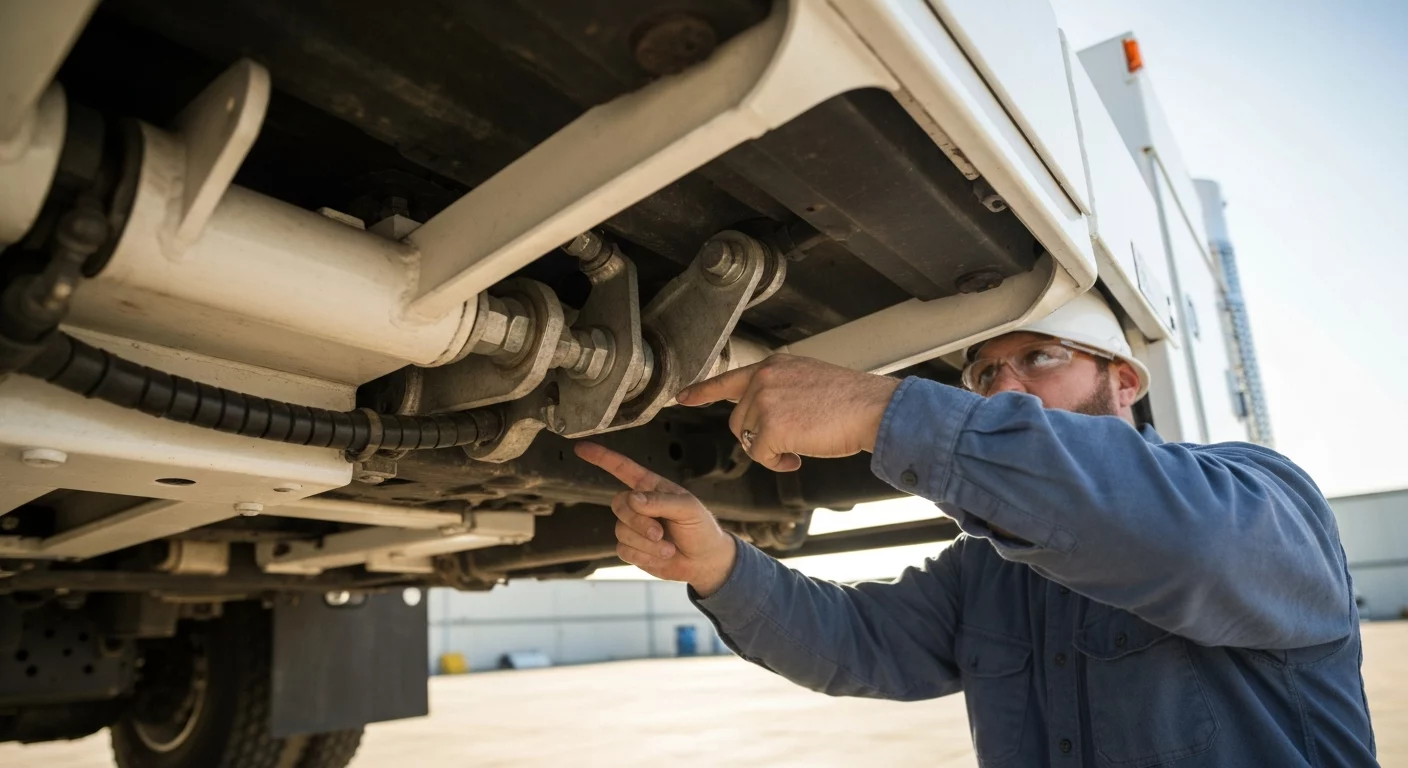
How to Inspect Suspension and Steering Systems for the CDL Test
How to Inspect Suspension and Steering Systems for the CDL Test
Passing the Commercial Driver’s License (CDL) pre-trip inspection test is a critical step for any professional, including a journeyman electrician or master electrician, whose job requires operating a heavy vehicle like a bucket truck. To successfully pass, you must know how to properly inspect suspension and steering systems to ensure the vehicle is safe. This involves a detailed check of the steering linkage for looseness or damage, verifying the power steering fluid level, and examining all suspension components like leaf springs and shock absorbers for cracks, leaks, or insecure mounting. A thorough utility vehicle DOT inspection prevents accidents, ensures compliance, and is a cornerstone of professional electrician training for roles that extend beyond traditional wiring. This process is essential for overall lineman truck maintenance and the safety of your entire electrical service fleet maintenance program.
Why a Flawless Pre-Trip Inspection Matters for Electricians
For many electricians, career progression involves operating specialized equipment. Whether you’re a master electrician overseeing a major project or a journeyman electrician working in utility infrastructure, a CDL is often one of the key CDL requirements for electricians. This license allows you to operate a Class B vehicle like a bucket truck or a large service van. A critical component of this qualification, emphasized in any reputable electrician school or online electrical courses, is the ability to perform a comprehensive bucket truck pre-trip inspection. This isn’t just about passing a test; it’s about ensuring safety on the job site and on the road. The same level of precision and diligence required when referencing the NEC code book should be applied to vehicle safety. This commitment to standards, similar to principles taught by NCCER, protects you, your crew, and the public.
A Step-by-Step Guide to Inspecting Your Steering System
The steering system inspection is a hands-on process. The examiner will expect you to physically touch and identify each component while explaining what you are checking for. This detailed check is a vital part of any Class B vehicle inspection for electricians.
- Check Steering Wheel Play: With the engine on and the wheels straight, turn the steering wheel. There should be no more than 10 degrees or about two inches of play on a 20-inch steering wheel. Excessive play could indicate worn parts in the steering gearbox or linkage.
- Inspect the Steering Column and Shaft: Ensure the steering column is securely mounted and not loose. Follow the steering shaft from the firewall down to the steering gearbox. Check that it is not bent, cracked, or damaged and that its U-joints are secure and free of debris.
- Perform a Steering Gearbox Inspection: The steering gearbox must be securely bolted to the frame. Check for any missing nuts or bolts and look for cracks in the gearbox housing or the frame around it. Also, check for any leaks from the gearbox or its hoses.
- Examine the Power Steering System for Work Trucks: Check the power steering fluid reservoir to ensure the fluid is at the proper level. Look for any leaks in the power steering hoses and make sure they are not cracked, bulging, or chafed. A whining noise when turning can indicate low fluid or a failing pump.
- Follow the Pitman Arm and Drag Link Checklist: The pitman arm connects the steering gearbox to the drag link. This entire commercial vehicle steering linkage must be inspected. Grab each component and ensure it’s tight. All castle nuts should be present and secured with cotter pins. Worn joints will feel loose or have excessive play.
- Check Tie Rods and Steering Arms: Finally, inspect the tie rods that connect the steering arms at each wheel. Ensure they are straight, not bent, and that the ends are secure.
Ensure your truck is safe to steer. Learn the suspension and steering checks.
A Deep Dive into the Suspension System Inspection
The suspension system holds the weight of the vehicle and absorbs road shock. A failure here can lead to loss of control, making this a critical part of any utility vehicle DOT inspection.
Front Axle Suspension
The front suspension is directly tied to steering control. Here is a leaf spring inspection checklist and more:
- Springs and Mounts: Inspect the leaf springs. Look for any that are cracked, broken, shifted, or scissored. Ensure the spring hangers and shackles at the front and rear of the springs are not cracked, broken, or have worn bushings. They must be securely mounted to the frame.
- U-Bolts and Spring Hanger Security: The U-bolts hold the axle to the leaf springs. Check that they are not cracked, broken, or loose. Rust trails around the nuts can indicate looseness.
- Shock Absorber Maintenance: Check that shock absorbers are securely mounted and not bent. Look closely for any signs of hydraulic fluid leaks, which indicate a blown seal and a failing shock.
Rear Axle Suspension
The rear suspension carries the bulk of the load, especially in a lineman truck carrying heavy equipment.
- Leaf Springs and Torque Rods: Perform the same leaf spring checks as the front. Additionally, inspect any torque arms or rods used to keep the axle in place. Ensure they are not bent or broken and that the bushings are intact.
- Air Suspension Check for Heavy Vehicles: If the vehicle has an air suspension, check the airbags for any cuts, bulges, or audible leaks. The air ride system should be properly inflated, and the truck should not be leaning to one side.
- Mounting Hardware: As with the front, all mounts, brackets, and bolts must be present, tight, and free of cracks or illegal welds.
Special Considerations for Electrician Utility Vehicles
Vehicles like bucket trucks and digger derricks have unique features. While a full inspection of aerial lift hydraulic systems is a separate process, the pre-trip inspection must confirm that the underlying chassis is safe. The added weight and high center of gravity of this equipment put extra stress on steering and suspension components, making a thorough inspection even more vital for lineman truck maintenance. This diligence is a core component of professional electrical service fleet maintenance, reducing downtime and preventing accidents.
Primary Sources
- Federal Motor Carrier Safety Administration (FMCSA) Vehicle Inspection Regulations, Appendix G to Subchapter B.
- State-specific Commercial Driver License Manuals often provide detailed inspection guides based on FMCSA rules.
Frequently Asked Questions
What are the first things to check when you inspect suspension and steering?
Start with the basics inside the cab: check for excessive steering wheel free play (no more than 2 inches on a 20-inch wheel). Then, look under the truck to see if it’s leaning, which could indicate a suspension or tire issue. Finally, check the power steering fluid level.
How do you perform a leaf spring inspection checklist for a CDL test?
You must state that you are checking the leaf springs to ensure none are cracked, broken, shifted, or missing. Also, check that the spring mounts (hangers and shackles) are securely attached to the frame and not damaged, and that the U-bolts securing the axle are tight and not broken.
What is the most important part of a steering gearbox inspection?
The two most critical checks for a steering gearbox are that it is securely mounted to the frame with no missing bolts or cracks, and that it is not leaking power steering fluid. A loose or leaking gearbox is a major safety failure.
Why is a bucket truck pre-trip inspection so important for a master or journeyman electrician?
For a master or journeyman electrician operating heavy equipment, a thorough pre-trip inspection is a professional responsibility that ensures safety. The high center of gravity and weight of a bucket truck place immense stress on the chassis. A failure in the steering or suspension could be catastrophic, making the utility vehicle DOT inspection a life-saving routine.
Continuing Education by State
Select your state to view board-approved continuing education courses and requirements:

Disclaimer: The information provided in this educational content has been prepared with care to reflect current regulatory requirements for continuing education. However, licensing rules and regulations can vary by state and are subject to change. While we strive for accuracy, ExpertCE cannot guarantee that all details are complete or up to date at the time of reading. For the most current and authoritative information, always refer directly to your state’s official licensing board or regulatory agency.
NEC®, NFPA 70E®, NFPA 70®, and National Electrical Code® are registered trademarks of the National Fire Protection Association® (NFPA®)
You may also like
Colorado Electrical Licensing Requirements and Reciprocity Guide
Standby Generators in DE: Navigating Coastal Storm Regulations

 Login with Google