
How to Inspect and Maintain a Lineman’s Climbing Gear
How to Inspect and Maintain a Lineman’s Climbing Gear
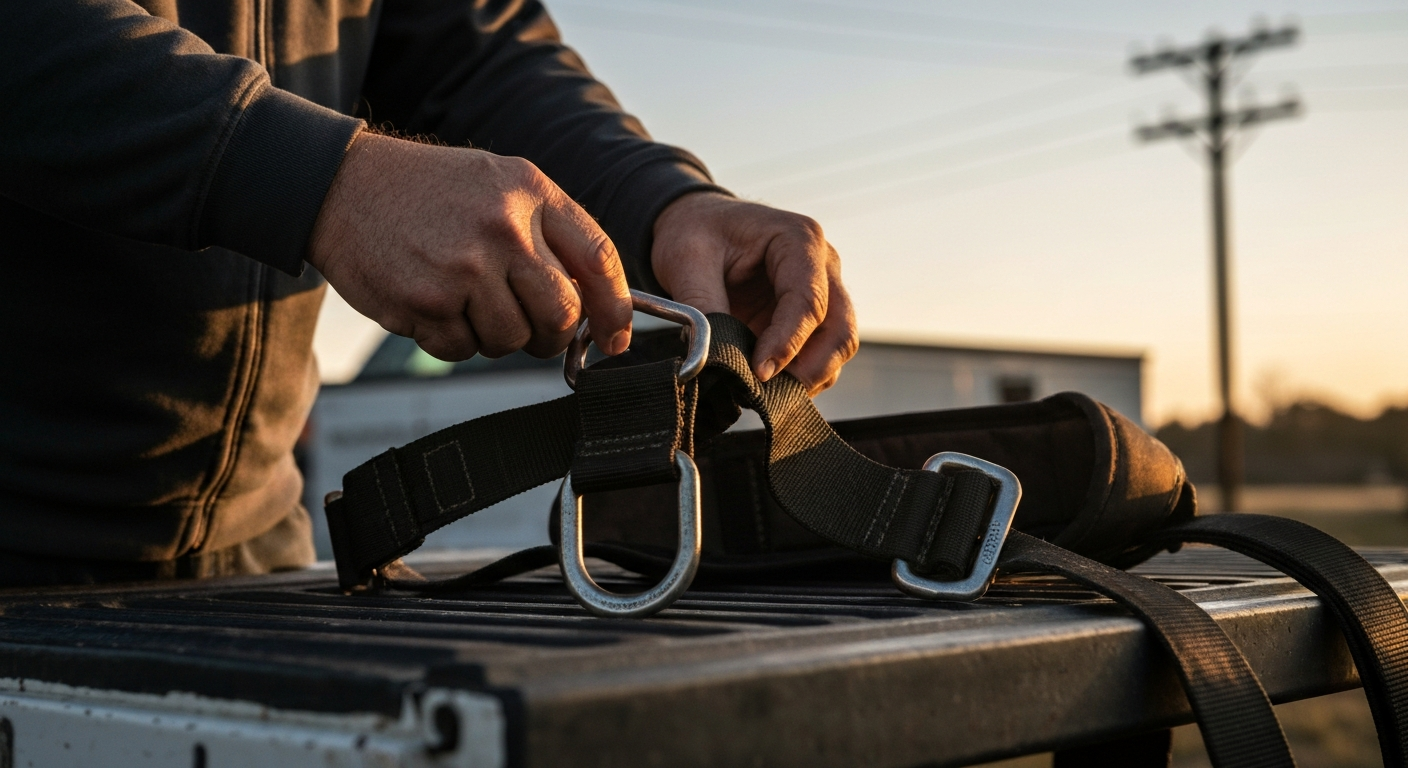
To properly inspect lineman climbing gear, you must perform two types of inspections: one before initial use during each workshift and a formal inspection by a competent person. The workshift check is a visual and tactile review of your harness, lanyards, and climbers to spot obvious damage like cuts, burns, or frayed webbing. The second, a documented annual competent person inspection, is a more thorough examination guided by ANSI standards and manufacturer requirements. This formal process involves a detailed harness inspection guideline check of all stitching, webbing, and hardware like D-rings and buckles. It also mandates verifying gaff gauge compliance to ensure climbers are sharp and shaped correctly. A comprehensive fall protection equipment inspection is a non-negotiable safety protocol, as your life depends on the integrity of this equipment when working with high voltage systems at height.
The Critical Importance of Gear Inspection
For any journeyman electrician or master electrician working on power lines, climbing gear is the most critical piece of personal protective equipment (PPE) for electricians. According to data from the U.S. Bureau of Labor Statistics, the fatal work injury rate for electrical power-line installers is significantly higher than for most other professions, and falls are a primary cause of serious and fatal incidents. While electrician training from an electrician school or NCCER program teaches the fundamentals, mastering the habit of regular gear inspection is a discipline that saves lives. Adhering to a strict Lineman climbing gear inspection checklist is not merely a recommendation; it is a federal requirement and a professional responsibility.
Understanding Your Inspection Obligations: Daily and Annual Checks
Inspection obligations fall into two main categories: the user’s daily check mandated by OSHA, and the formal periodic inspection guided by ANSI. OSHA standard 29 CFR 1910.140 requires that personal fall protection systems be inspected before each use during every workshift. Separately, ANSI/ASSP Z359 standards call for a formal inspection by a competent person at least annually. These two tiers serve different but equally important purposes in a comprehensive fall arrest system maintenance program.
Daily Pre-Use Inspection: Your First Line of Defense
Before initial use during each workshift, the user must perform a hands-on inspection of their gear. This is your personal, final check to ensure the equipment you are about to trust your life with is sound. This tactile and visual review should take only a few minutes but is one of the most effective ways to catch degradation or damage that may have occurred since the last use. Look for anything that seems out of the ordinary, from a small fray in your work positioning lanyard check to a sticky carabiner gate.
The Annual Competent Person Inspection: A Formal Requirement
Following guidelines from ANSI/ASSP Z359, all fall protection equipment must undergo a formal, documented inspection by a “competent person” at intervals of no more than one year. OSHA defines a competent person as someone capable of identifying existing and predictable hazards and who has the authority to take prompt corrective measures. This annual interval may be shortened based on manufacturer recommendations or if the gear is used in harsh conditions. For example, if equipment is exposed to deteriorating agents, ANSI standards advise more frequent inspections by a competent person.
A Step-by-Step Lineman Climbing Gear Inspection Checklist
A systematic approach ensures no component is overlooked. Follow this checklist during both daily and annual inspections, with the annual inspection demanding more detailed scrutiny and documentation.
-
Inspecting the Pole Climbing Harness (Body Support)
- Webbing and Stitching Integrity: Visually and physically inspect all webbing for cuts, fraying, pulled stitches, burns, discoloration from chemical exposure, or hardened spots. Bend the webbing in an inverted “U” to expose any hidden fiber damage. Pay close attention to the webbing and stitching integrity at all load-bearing points.
- D-ring and Buckle Inspection: Examine all D-rings, buckles, and other hardware. Look for cracks, distortion, corrosion, sharp edges, or deep nicks. Ensure that buckle tongues are not loose or bent and that they overlap the buckle frame correctly. All hardware should be free of defects.
- Labels and Markings: The equipment tag is its birth certificate. Ensure it is present and legible. You should be able to read the manufacturer’s name, model number, date of manufacture, and any applicable standard markings (for example, ANSI/ASSP Z359 or ASTM F887 where appropriate). If the tags are missing or unreadable, follow the manufacturer’s guidance; commonly the recommendation is to remove the harness from service or contact the manufacturer for disposition.
-
Checking the Work Positioning Lanyard and Fall Arrest Systems
- Rope/Strap Condition: Inspect the entire length of the lanyard. For synthetic rope, check for cut fibers, fraying, chemical damage, or discoloration. Squeeze the rope to feel for flat or mushy spots, which could indicate core damage. For web lanyards, look for the same issues as with harness webbing.
- Hardware and Connectors: Test all snaphooks and carabiners. The gates should open smoothly and lock completely and automatically when released. Check for any deformation, cracks, or corrosion.
- Shock Absorber Pack: A critical part of shock load damage assessment is inspecting the energy absorber. Check the cover for tears or damage. Look at the deployment stitches or warning flag. If there is any sign that the absorber has been deployed, even partially, the lanyard must be retired immediately.
-
Evaluating the Climbers (Gaffs and Stirrups)
- Gaff Gauge Compliance: This is a crucial, non-negotiable step. Use a manufacturer-specific gaff gauge to check for proper length, thickness, and point profile. Use manufacturer specifications and recognized industry guidance when determining acceptable gaff geometry. ASTM F887 provides specifications and test methods related to personal climbing equipment (including climbers), but exact gaff dimensions and profiles are specified by manufacturers and applicable industry standards rather than a single universal numeric value.
- Climber Pad and Stirrup Condition: Inspect the leg iron or stirrup for cracks, fractures, or significant wear. Check that the gaff is tight and not loose. The climber pad and stirrup condition is also vital for comfort and safety; ensure pads are not overly compressed or damaged and that all straps and buckles are in good working order.
-
Post-Fall Inspection Protocol
- Any piece of fall protection equipment that has arrested a fall must be immediately removed from service. It cannot be used again until a competent person has inspected the equipment and determined that it is not damaged and is safe for use. The forces involved in a fall can cause unseen damage to the webbing, stitching, and hardware. If the inspection finds the equipment is not safe, it must be tagged as “UNUSABLE” and destroyed to prevent accidental reuse.
Your life depends on your gear. Learn proper inspection techniques. ExpertCE offers a variety of online electrical courses to keep your skills sharp.
Extending the Lifespan: Proper Leather and Nylon Strap Care
Proper maintenance is just as important as inspection. While no gear lasts forever, correct care ensures it reaches its maximum safe service life.
- Clean Regularly: After use, wipe down all equipment to remove dirt, creosote, and moisture. For webbing and rope, use a damp cloth and a mild, non-detergent soap. Rinse thoroughly with clean water and air dry.
- Condition Leather: For leather and nylon strap care, particularly on body belts, use an approved conditioner like saddle soap to keep the leather supple and prevent it from drying out and cracking.
- Store Properly: Store your gear in a clean, dry, well-ventilated area. Keep it away from direct sunlight, extreme heat, and corrosive chemicals. Never store gear on the floor or in a pile where it can be damaged by other tools.
- Avoid Unauthorized Modifications: Never punch extra holes in straps, write on webbing with markers (the ink can degrade fibers), or modify equipment in any way.
- Maintain a Log: Keep a detailed record for each piece of gear, documenting its purchase date, inspection dates, and any notes from the annual competent person inspection. This helps track its history and retirement schedule.
Upholding Safety: OSHA and ANSI Standards for Fall Protection
A professional understanding of the governing standards demonstrates expertise and a commitment to safety. Adhering to these gear inspection rules is a key part of total worksite awareness, much like understanding the NFPA 70e 2024 updates for electrical job safety planning. The key standards for pole climbing harness safety come from three main bodies:
- OSHA (Occupational Safety and Health Administration): OSHA sets the legal requirements for workplace safety in the United States. Key regulations include 29 CFR 1910.140 (Personal Fall Protection Systems) and 1910.269 (Electric Power Generation, Transmission, and Distribution), which includes specific guidelines for lineman equipment.
- ANSI (American National Standards Institute): ANSI is a private, non-profit organization that creates voluntary consensus standards. The ANSI/ASSP Z359 Fall Protection Code is the industry’s benchmark for best practices and is widely referenced by OSHA.
- ASTM (American Society for Testing and Materials): ASTM develops technical standards for materials and products. ASTM F887 is the Standard Specification for Personal Climbing Equipment, covering components such as climbers and associated hardware.
Just as you verify your physical gear before a climb, it’s equally critical to stay current on electrical codes and practices. Knowing how NFPA 70e has changed voltage verification is essential for preventing high voltage incidents. Both equipment safety and code knowledge, including the latest NEC code book, are pillars of professional diligence.
Frequently Asked Questions About Lineman Gear Inspection
How often must I inspect lineman climbing gear?
OSHA requires a visual and tactile inspection by the user before initial use during each workshift. In addition, ANSI standards and manufacturer guidelines require a formal, documented inspection by a trained competent person at intervals of no more than one year, or more frequently depending on use and conditions.
What is the difference between a user inspection and an annual competent person inspection?
A user inspection is a quick check for obvious flaws required by OSHA before each workshift use. An annual competent person inspection is a much more in-depth, documented review against manufacturer requirements and ANSI standards, performed by someone with specific training and the authority to remove faulty equipment from service.
What does gaff gauge compliance mean and why is it important?
Gaff gauge compliance means using a specific tool to measure a climber’s gaffs to ensure they meet the correct specifications for length, thickness, and profile. If a gaff is too short or shaped incorrectly, it will not securely penetrate a wooden pole, creating a high risk of “cutting out” and causing a fall.
Can I repair a damaged harness or lanyard?
No. Users should never attempt to repair fall protection equipment. Unauthorized repairs, such as re-stitching webbing or patching a strap, will void the certification and can lead to catastrophic failure. Damaged equipment must be retired and replaced.
What primary standards apply to pole climbing harness safety?
The primary standards governing pole climbing harness safety are OSHA 29 CFR 1910.140 and 1910.269, the ANSI/ASSP Z359 Fall Protection Code, and ASTM F887 Standard Specifications for Personal Climbing Equipment.
Continuing Education by State
Select your state to view board-approved continuing education courses and requirements:

Disclaimer: The information provided in this educational content has been prepared with care to reflect current regulatory requirements for continuing education. However, licensing rules and regulations can vary by state and are subject to change. While we strive for accuracy, ExpertCE cannot guarantee that all details are complete or up to date at the time of reading. For the most current and authoritative information, always refer directly to your state’s official licensing board or regulatory agency.
NEC®, NFPA 70E®, NFPA 70®, and National Electrical Code® are registered trademarks of the National Fire Protection Association® (NFPA®)
You may also like
Colorado Electrical Licensing Requirements and Reciprocity Guide
Standby Generators in DE: Navigating Coastal Storm Regulations

 Login with Google