
How to Use Liquid Electrical Tape for Insulating Connections
How to Use Liquid Electrical Tape for Insulating Connections
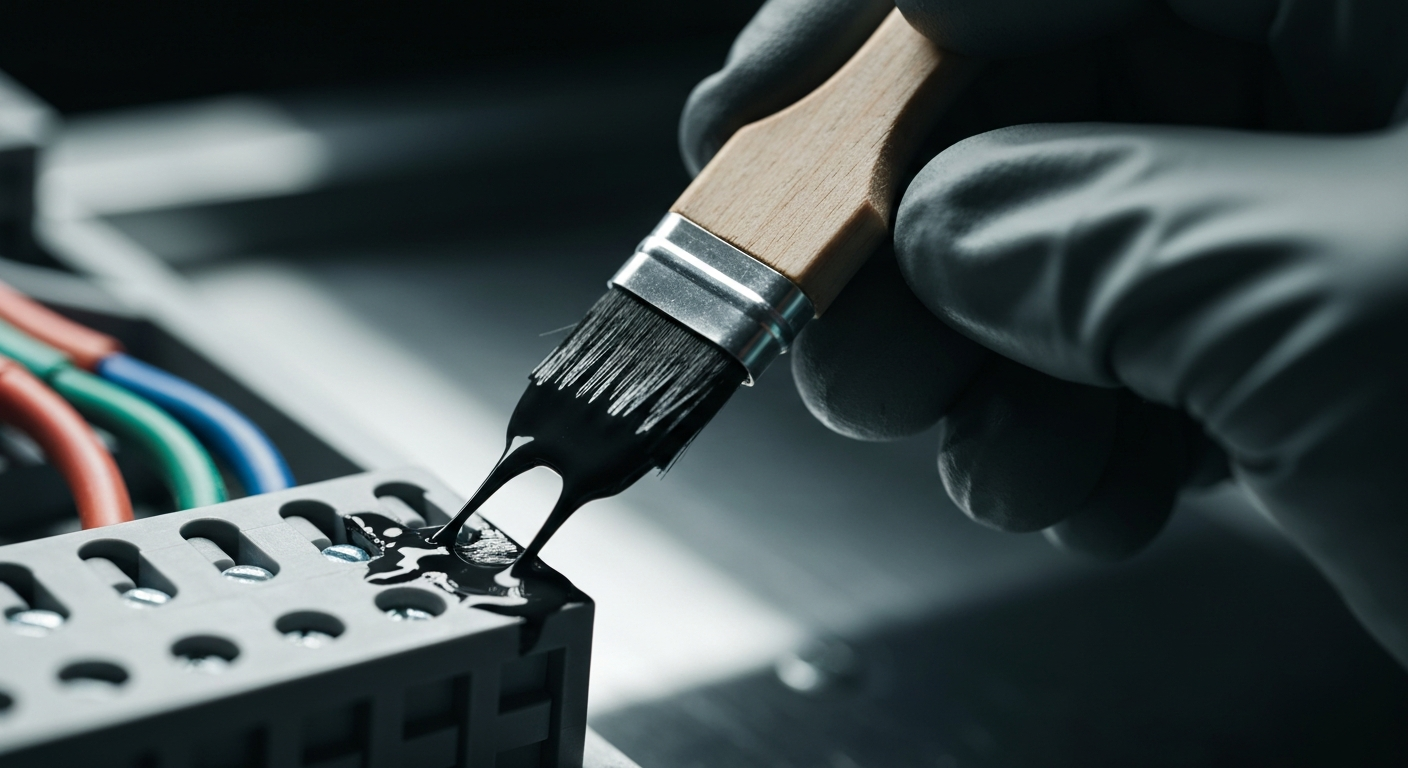
Liquid electrical tape is a versatile, air-cured liquid insulation coating that provides a tough, seamless, and flexible seal for electrical connections. Primary liquid electrical tape uses include insulating and sealing wire connections, repairing frayed insulation, and providing a weatherproof seal in hard-to-reach areas where traditional tape is impractical. This liquid vinyl polymer cures to form a flexible dielectric coating that can provide corrosion and moisture resistance on wires depending on the product formulation and listing. While not a replacement for primary connectors like wire nuts, it can be a useful alternative to heat-shrink tubing for certain in-place repairs and for sealing irregularly shaped components — provided the product is listed for the intended application and rated for the circuit voltage. For any professional journeyman electrician, understanding how and when to use this material (and when to rely on listed splice kits or heat-shrink systems) is key to ensuring durable, compliant installations.
What is Liquid Electrical Tape? A Flexible Dielectric Coating
At its core, liquid electrical tape is a brush-on or spray-on rubberized material, often a liquid vinyl polymer, designed to insulate and protect electrical conductors and components. Unlike traditional PVC electrical tape, which relies on an adhesive and can unravel over time, liquid electrical tape cures to form a solid, bonded layer. This creates an electrical insulation coating that conforms to many shapes, from a simple wire splice to a complex terminal assembly — when used within the limitations of the product listing.
The primary advantage of appropriate, listed products is their ability to create a weather-resistant seal when applied per the manufacturer’s instructions. When a product is listed for the environment (for example, sunlight, wet locations, or corrosive atmospheres) and applied per instructions, it can be effective against water and contaminants. However, not all liquid coatings are listed for every condition; some formulations are not sunlight- or chemical-resistant, so verify the product’s listing before assuming universal suitability. The cured coating can remain flexible and resist vibration when applied correctly and with the proper material.
When to Use Liquid Electrical Tape: Key Applications for the Professional Electrician
While traditional tape and connectors have their place, certain scenarios demand the unique properties of liquid insulation. Knowing the right liquid electrical tape uses can save time and dramatically improve the longevity of your work — but always verify that the product is listed for the application and compatible with the component you are coating.
Wire Connection Sealing and Repair
One of the most common applications is sealing and reinforcing standard wire connections. After making a connection with a listed connector, a coat of a properly listed liquid tape product can provide an extra layer of moisture protection and vibration resistance. It’s also useful for repairing minor nicks or abrasions in wire insulation where replacing the entire run of wire would be impractical. Its ability to flow into small gaps helps ensure coverage in tight spots, a task that is difficult with bulky tape. That said, for underground or wet-location splices you should use splice methods and kits specifically listed for direct burial or wet locations rather than relying on an unlisted coating alone.
Terminal Block Insulation and Busbar Protection
Liquid coatings can be used for terminal-block protection when the product and the equipment manufacturer permit it. Use of coatings on terminal screws, exposed conductor ends, or busbars in switchgear and panelboards should only be done when the coating is explicitly listed for that use and does not interfere with required access, cooling, or equipment listing. Always confirm compatibility with the equipment manufacturer and the product’s listing before coating live parts or equipment buswork.
A Weatherproof Seal for Outdoor and Underground Applications
For work exposed to the elements, listed liquid electrical insulation products can provide weatherproof sealing when used as intended. However, the NEC and many local jurisdictions require direct-burial splices and wet-location splices to use materials and methods listed for that purpose. Do not assume a general-purpose liquid coating is acceptable for buried splices or raceway seals unless it is specifically listed for direct burial or wet-location splice applications. For conduit entrances, use products and sealing methods listed for raceway sealing — and follow the enclosure and raceway manufacturer’s instructions.
How to Apply Liquid Electrical Tape: A Step-by-Step Guide
Achieving a professional, durable seal depends on proper application. Following these steps ensures the coating performs to its specifications and provides maximum protection.
- Surface Preparation is Critical: The wire or terminal surface must be completely clean, dry, and free of oil or grease. Use a quality wire brush to remove any corrosion. For surfaces contaminated with oils, an approved electrical contact cleaner can be used to ensure a clean substrate for a strong bond. Before applying any insulation, ensure your conductors are properly prepared; our guide on how to strip and terminate wire provides foundational best practices.
- Apply an Even First Coat: Stir the product well before use, as solids can settle. Using the brush applicator attached to the cap, apply a smooth, even coat over the entire connection area. Ensure the coating extends beyond the splice or repair onto the wire’s original insulation to create a complete seal.
- Build Thickness for Dielectric Strength: A single coat is often not enough to provide the required insulation value; dielectric strength depends on both the product formulation and the applied thickness. Refer to the manufacturer’s specifications for the number of coats and cure schedule. Some products call for multiple thin coats with manufacturer-specified cure times between coats; follow those instructions rather than a generic ‘two to three coats’ rule.
- Allow for Full Curing Time: Liquid electrical tape products often contain solvents and can be flammable while wet. It is crucial to allow the product to dry and fully cure before energizing the circuit. While some products may be tack-free within an hour, full cure times vary widely (often several hours to a day or more); follow the manufacturer’s stated cure time. Energizing before full cure can risk the coating’s performance and safety.
Liquid Electrical Tape vs. Other Insulation Methods
As a journeyman electrician or master electrician, choosing the right material is a mark of professionalism. Here’s how liquid tape compares to other common options — remembering that the manufacturer’s listing and instructions determine permitted uses under the NEC.
Comparison with Traditional Electrical Tape
Standard vinyl electrical tape is fast and inexpensive, but adhesives can break down with exposure to heat, cold, and moisture. A listed liquid electrical coating can, when properly applied, form a seamless bonded layer that resists unraveling. That said, do not assume a generic liquid coating will outperform heat-shrink or specialty tapes unless the product’s listing and data sheet demonstrate the necessary performance for the intended environment.
As a Heat Shrink Tubing Alternative
Liquid tape can be an excellent alternative to heat-shrink tubing when a heat source is not available or when the geometry of the connection prevents installing heat shrink. For many irregular shapes or installed equipment, a listed liquid coating can provide a conformal seal. If mechanical strain relief or a specific insulating sleeve is required by equipment or listing, use the listed method.
Supplementing Wire Nuts
Liquid tape should never be used as the primary means of mechanical connection for splices; wire nuts and other mechanical connectors provide the required mechanical retention. However, applying an appropriate listed liquid coating over a properly made and listed connector can improve moisture resistance and reduce corrosion risk. For standard connections, see our guide on choosing the right wire nut.
Electrical Code Compliance and Safety Considerations
Using any product on an electrical system requires an understanding of code compliance. The National Electrical Code (NEC) provides the framework for safe installations. NEC 110.3(B) requires equipment to be installed and used in accordance with its listing and labeling and the manufacturer’s instructions.
This means for liquid electrical tape to be code-compliant, you must use products that are tested and listed for the intended application and the circuit voltage. Do not assume a specific voltage capability without verifying the product’s listing and datasheet. Using an unlisted product or applying a listed product outside its instructions can render an installation noncompliant and unsafe. This is especially critical in challenging conditions; for example, special provisions apply for wiring in corrosive environments and wet locations, so follow NEC guidance and listed product instructions. For additional guidance, refer to wiring in corrosive environments.
Key Considerations for Professional Use
- Always verify the product’s dielectric strength and ensure it is sufficient for the circuit’s voltage as indicated on the product data sheet.
- Only use products that are tested and listed for the specific application to ensure you meet electrical code compliance standards.
- Never skip surface preparation. A clean, dry surface is essential for a lasting, protective bond.
- Account for the full curing time in your project schedule. Never energize a circuit prematurely.
- Remember that liquid tape is an insulator and sealant, not a mechanical connector. It complements devices like wire nuts but does not replace them.
Frequently Asked Questions (FAQ)
- What are the main liquid electrical tape uses for a professional electrician?
- The primary uses include creating a weather-resistant protective coating on outdoor or exposed connections when a product is listed for that environment, providing terminal-block protection when compatible with the equipment, repairing damaged wire jackets in tight spaces, and adding moisture and corrosion protection over existing, properly made connections like splices and taps — always using listed products and approved methods for wet or direct-burial locations.
- Is liquid electrical tape a replacement for wire nuts or heat shrink tubing?
- It is not a replacement for wire nuts, which provide a secure mechanical connection. However, it can be a heat-shrink tubing alternative when a listed product and application permit and when mechanical and environmental requirements are met.
- How do you ensure electrical code compliance when using a liquid electrical insulation coating?
- To ensure compliance, use products that are listed for the intended electrical application and voltage and apply them exactly as the manufacturer’s instructions specify. NEC 110.3(B) requires using listed equipment per its listing and labeling, and many splice or direct-burial applications require specifically listed kits or methods.
- What is the typical dielectric strength of liquid electrical tape?
- Dielectric strength varies by manufacturer and product. Some liquid electrical insulation coatings list values in the several-hundred to over 1,000 volts-per-mil range; typical published ranges can be roughly 600–1,500 volts per mil depending on formulation. Always consult the manufacturer’s data sheet for the rated dielectric strength and required film thickness.
Continuing Education by State
Select your state to view board-approved continuing education courses and requirements:

Disclaimer: The information provided in this educational content has been prepared with care to reflect current regulatory requirements for continuing education. However, licensing rules and regulations can vary by state and are subject to change. While we strive for accuracy, ExpertCE cannot guarantee that all details are complete or up to date at the time of reading. For the most current and authoritative information, always refer directly to your state’s official licensing board or regulatory agency.
NEC®, NFPA 70E®, NFPA 70®, and National Electrical Code® are registered trademarks of the National Fire Protection Association® (NFPA®)
You may also like

Colorado Electrical Licensing Requirements and Reciprocity Guide
Standby Generators in DE: Navigating Coastal Storm Regulations

 Login with Google