
How to Respond to an Electrical Contact Incident
How to Respond to an Electrical Contact Incident: A Step-by-Step Guide for Electricians
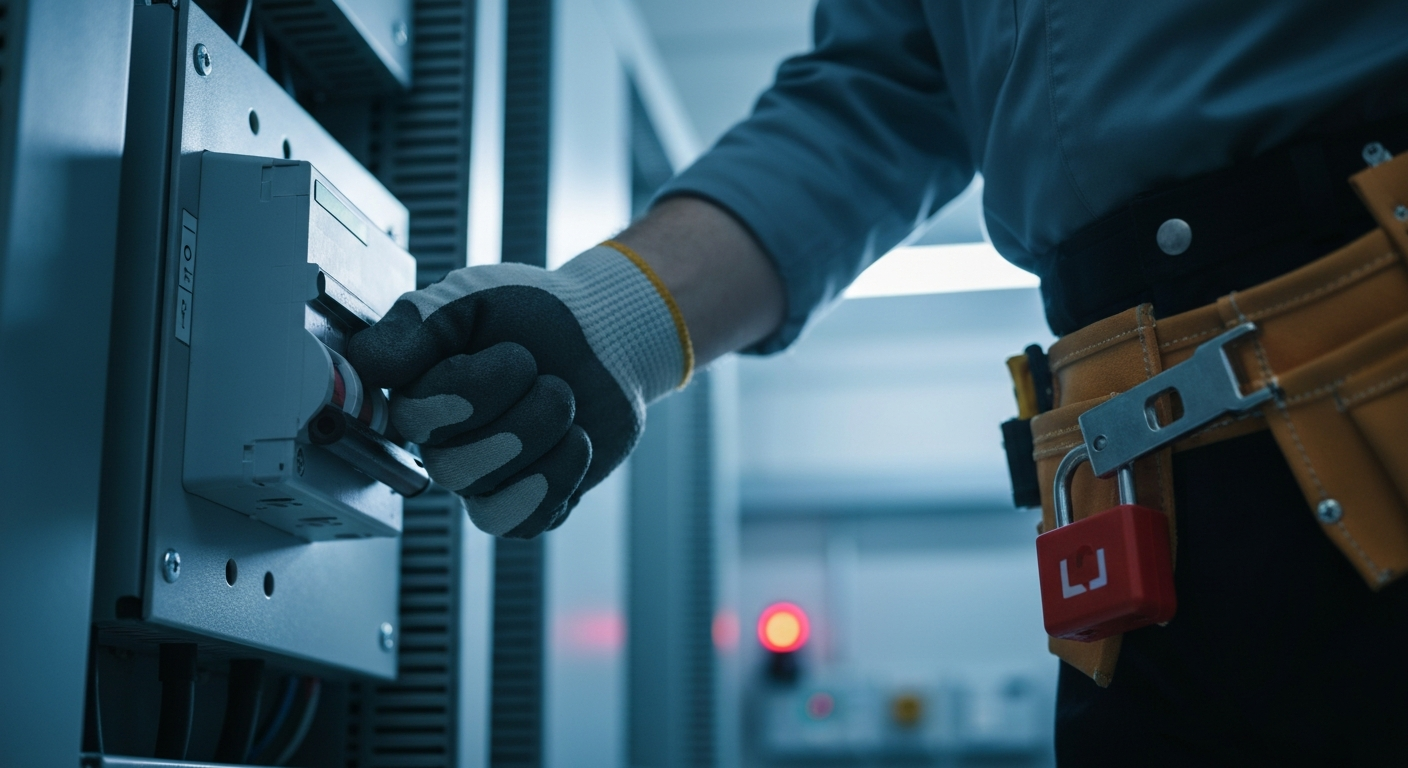
To properly respond to an electrical contact incident, you must first ensure the scene is safe by immediately cutting power to the source. Never touch a victim who is still in contact with an energized circuit. The safest and most critical action is to de-energize the equipment using a switch, breaker, or plug, and applying a lockout/tagout device to prevent accidental re-energization. If you cannot immediately shut off the power, perform a contact release by using a non-conductive object like a dry wooden pole or fiberglass hook to separate the victim from the source. Once the victim is clear and the scene is safe, call 911 immediately and then assess the victim for breathing and pulse, administering CPR or using an AED if you are trained. This emergency response plan is a core component of electrical safety and is emphasized in standards like NFPA 70E. Every Qualified Person, from a journeyman electrician to a master electrician, must be prepared for this emergency.
The First 60 Seconds: Scene Safety and De-Energization
In the immediate aftermath of an electrical contact incident, your first actions can mean the difference between a single victim and multiple casualties. The absolute priority is to secure the scene and eliminate the electrical hazard. Do not rush to the victim’s aid if they are still connected to a power source, as this could cause you to become a second victim.
The primary and most crucial step is to de-energize the circuit. This should be your first instinct. Locate the main switch, circuit breaker, or disconnect for the equipment involved and shut it off immediately. Once the power is off, you must apply a lockout/tagout (LOTO) device. This procedure, mandated by OSHA, ensures that the circuit cannot be accidentally re-energized while you are providing aid. Failing to properly de-energize and lock out equipment is a leading cause of electrical incidents and fatalities.
Performing a Safe Contact Release
If you cannot immediately de-energize the equipment, you must perform a contact release. People receiving a significant electric shock are often unable to let go due to involuntary muscle contraction. Attempting to free them requires extreme caution.
Follow these steps to perform a safe contact release:
- Do NOT Touch the Victim: Never use your bare hands or any conductive object to touch a person who is in contact with an energized source.
- Find a Non-Conductive Object: Locate a dry, non-conductive item to separate the victim from the circuit. Ideal tools include a fiberglass rescue hook, a dry wooden broom handle, a plastic pipe, or a rope. Stand on a dry, insulating surface, such as a rubber mat or a dry wooden pallet, if possible.
- Push or Pull the Victim Free: Use the non-conductive object to carefully push or pull the victim away from the electrical source. If using a rope, loop it around the victim’s arms or legs to pull them clear without touching them directly.
- Create Distance: Once the victim is free, create a safe distance from the active electrical hazard before proceeding with any other actions.
This procedure is a critical skill, and NFPA 70E requires training for all employees who may be exposed to shock hazards.
Providing Emergency Care and Reporting the Incident
Once the scene is safe and the victim is no longer in contact with the electrical source, immediate medical attention is critical. The on-site emergency response plan should be activated.
- Call 911 Immediately: Before doing anything else, call for professional emergency medical services. Inform the dispatcher that an electrical incident has occurred, as injuries may be more severe than they appear externally.
- Assess the Victim: Check for signs of circulation, such as breathing, coughing, or movement. If the victim is unresponsive and not breathing, begin CPR if you have completed the necessary electrician training and certification. If an automated external defibrillator (AED) is available and you are trained, use it as instructed.
- Check for Other Injuries: Electrical shocks can cause severe burns at the entry and exit points of the current. They can also cause victims to fall, resulting in broken bones or other trauma. Do not move the victim unless they are in immediate danger. Cool any burns with cool water for up to 20 minutes, but do not apply ointments or creams.
- Report the Incident: Every electrical contact incident, even those that don’t result in serious injury, must be reported to your supervisor. This initiates the formal incident investigation process required by your company and potentially by regulatory bodies like OSHA.
Your response can save a life. Learn the immediate actions to take.
The Role of NFPA 70E and OSHA in Prevention and Response
While knowing how to react is crucial, the goal is always shock prevention. Standards from the National Fire Protection Association (NFPA) and the Occupational Safety and Health Administration (OSHA) provide the framework for a safe work environment.
NFPA 70E, the Standard for Electrical Safety in the Workplace®, is the guiding document for any Qualified Person. It outlines requirements for establishing an electrically safe work condition. Key concepts include:
- Approach Boundaries: Establishing specific distances from energized parts that only qualified workers may cross.
- Energized Work Permit: Requiring formal, written permission to work on live equipment, which should only be done when de-energizing is not feasible.
- Personal Protective Equipment (PPE): Mandating the use of appropriate arc-rated clothing and other safety gear when an electrical hazard cannot be eliminated.
- Emergency Planning: The 2024 updates to NFPA 70E place a greater emphasis on updated job safety planning, which includes creating and drilling a detailed emergency response plan.
OSHA enforces these principles through regulations like OSHA 1910.333, which states that live parts must be de-energized before an employee works on or near them unless it is infeasible. Both master electrician and journeyman electrician professionals are expected to be thoroughly familiar with the requirements of the NEC code book for safe installations and NFPA 70E for safe work practices, including new requirements for voltage verification before work begins.
After the Incident: Investigation and Continuous Learning
Following an electrical contact incident, a thorough incident investigation is not about assigning blame; it’s about understanding the root cause to prevent a recurrence. The investigation should analyze the equipment, procedures, and human factors that contributed to the event.
The findings are an invaluable tool for improving workplace safety. They often highlight gaps in training or procedures that need to be addressed. This commitment to continuous improvement is why ongoing electrician training is so vital. Whether through an apprenticeship program with NCCER curriculum, manufacturer training on high voltage equipment, or online electrical courses covering updates to NFPA 70E, staying current on safety practices is a professional obligation.
Primary Sources
- NFPA 70E®, Standard for Electrical Safety in the Workplace®
- OSHA Standard 1910.333, Selection and use of work practices
- OSHA Standard 1910.147, The control of hazardous energy (lockout/tagout)
Frequently Asked Questions
- What is the absolute first thing you do when you respond to an electrical contact incident?
- The first and most important step is to secure the scene and ensure it is safe for you to enter. This means you must de-energize the electrical source and perform a lockout/tagout before approaching the victim.
- How does NFPA 70E help prevent an arc flash incident?
- NFPA 70E helps prevent an arc flash incident by requiring a risk assessment, establishing approach boundaries, mandating the use of appropriate PPE, and requiring an energized work permit for most live work. These steps are designed to control the hazards and protect the worker.
- Why is lockout/tagout critical during an emergency response?
- Lockout/tagout is critical because it physically prevents the re-energization of the equipment that caused the initial incident. This protects the rescuers and the victim from further electrical hazard while aid is being administered.
- What training is required to be a Qualified Person?
- According to NFPA 70E, a Qualified Person must receive extensive electrical safety training, including how to distinguish energized parts, determine nominal voltage, understand approach boundaries, and how to properly select and use PPE. They must also be skilled in techniques to avoid electrical hazards and be trained in contact release and emergency response procedures like CPR.
Continuing Education by State
Select your state to view board-approved continuing education courses and requirements:

Disclaimer: The information provided in this educational content has been prepared with care to reflect current regulatory requirements for continuing education. However, licensing rules and regulations can vary by state and are subject to change. While we strive for accuracy, ExpertCE cannot guarantee that all details are complete or up to date at the time of reading. For the most current and authoritative information, always refer directly to your state’s official licensing board or regulatory agency.
NEC®, NFPA 70E®, NFPA 70®, and National Electrical Code® are registered trademarks of the National Fire Protection Association® (NFPA®)
You may also like
Colorado Electrical Licensing Requirements and Reciprocity Guide
Standby Generators in DE: Navigating Coastal Storm Regulations

 Login with Google