
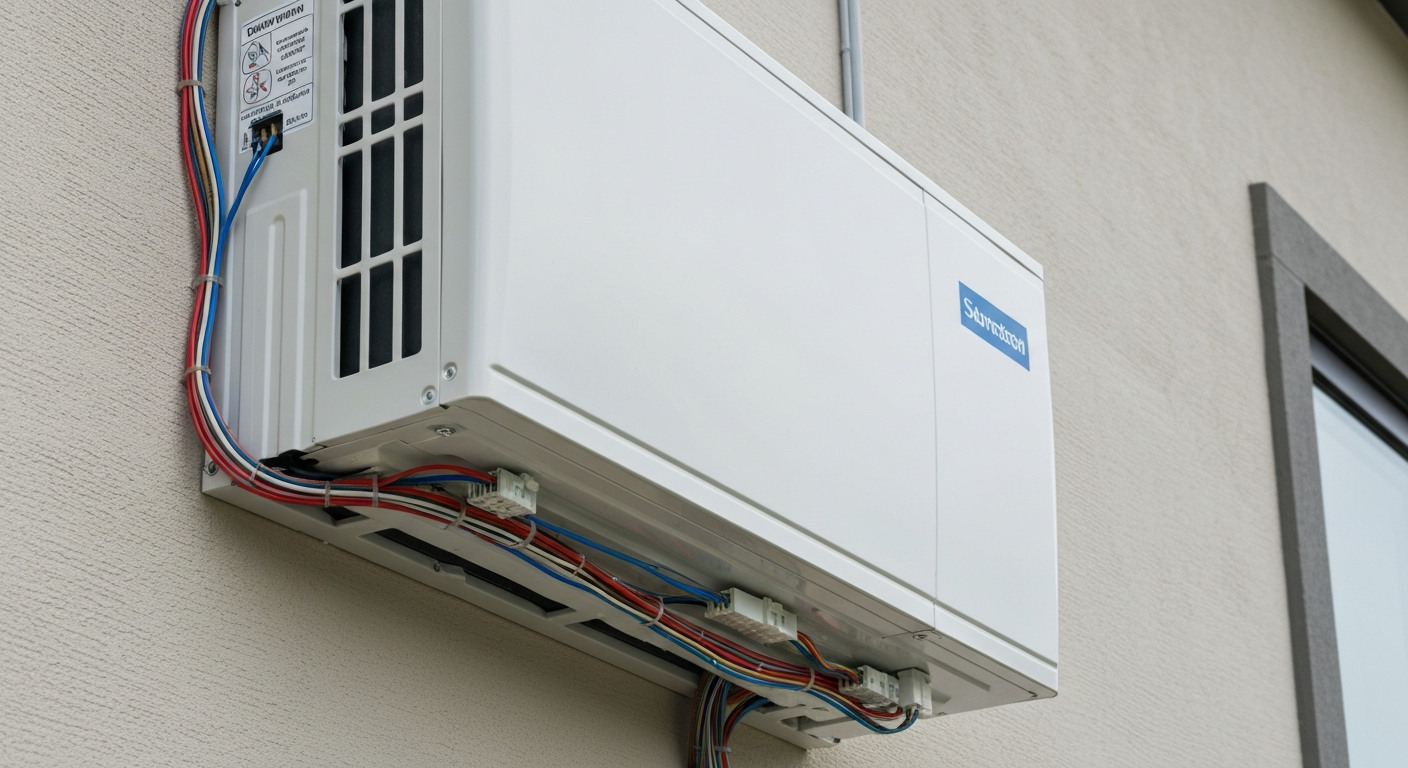
How to Install a Ductless Mini-Split AC System: Wiring Guide
A successful mini split installation hinges on a precise and code-compliant electrical setup. For licensed electricians, understanding the specific ductless AC electrical requirements is paramount to ensuring safety, efficiency, and longevity of the system. This guide provides a comprehensive overview of the process, from performing a mini split load calculation to making the final connections at the outdoor unit. Proper how to install a mini split methodology involves interpreting the manufacturer’s mini split wiring diagram, selecting the correct circuit breaker and wire gauge, and adhering strictly to the National Electrical Code (NEC). Whether you’re working on a single-zone unit or a complex multi-zone system, a professional approach to the mini split ac installation guarantees a reliable and safe outcome for your clients. This article will serve as your expert guide for every electrical step of a ductless air conditioning unit installation.
Pre-Installation: NEC Compliance and Load Calculation
Before any wires are pulled, a thorough pre-installation assessment is critical. The foundation of any professional installation of mini split air conditioner is a load calculation that follows the manufacturer’s Minimum Circuit Ampacity (MCA) and Maximum Overcurrent Protection (MOP) data and the NEC rules that apply to air-conditioning equipment (see Article 440) as well as the general load methods in Article 220 where applicable. A ductless mini-split air conditioner has unique power characteristics, especially inverter-driven models. You must consult the manufacturer’s nameplate data for the Minimum Circuit Ampacity (MCA) and Maximum Overcurrent Protection (MOP) values — these are the authoritative source for determining your circuit requirements; use the MCA to size conductors and use the MOP as the maximum allowable rating for the branch-circuit overcurrent protective device.
Furthermore, the NEC code for mini split installations dictates specific rules for placement and connections. For example, understanding clearances from wet locations is crucial. As outlined in the 2023 NEC, AC and refrigeration unit placement near wet locations has specific guidelines you must follow to prevent hazards. Always verify local amendments to the NEC, as they can impose additional requirements on your ductless air conditioner installation.
Key Pre-Wiring Considerations:
- Review Nameplate Data: The MCA and MOP values are non-negotiable starting points for all calculations.
- Perform Load Calculation: Ensure the existing electrical service can handle the additional load of the new air conditioning unit, using the manufacturer’s data and NEC guidance (Article 440 and Article 220 as applicable).
- Plan the Circuit Path: Determine the most efficient and compliant route from the breaker panel to the outdoor disconnect and then to the condenser.
- Verify Placement: Confirm the locations for the indoor and outdoor units comply with both manufacturer specifications and NEC requirements. Common installation locations, like garages, have their own set of rules you must be familiar with; for instance, knowing how many circuits are needed in a garage is essential for a comprehensive installation plan.
Primary Sources for E-E-A-T
As professionals, our work must be grounded in official standards. Always refer to the latest editions of these documents for your projects:
- NFPA 70, National Electrical Code (NEC)
- Manufacturer’s Installation Manual for the specific model
- Your state or local jurisdiction’s electrical code amendments
Sizing the Circuit, Breaker, and Wire Gauge
Correctly sizing the components of the branch circuit is where your expertise as an electrician truly shines. The mini split circuit breaker size is determined by the MOP rating on the unit’s nameplate. Use the MOP as the maximum allowable rating for the branch-circuit overcurrent device — do not exceed it. For residential 240V mini split wiring the required 2-pole breaker varies by model and commonly ranges from about 15 A up through 60 A for larger units; always use the unit’s marked MOP and the manufacturer’s installation instructions to select the correct breaker.
The wire gauge for mini split systems is determined by the manufacturer’s MCA. Use the NEC ampacity tables (Article 310) and apply any required ambient-temperature and adjustment factors to select a conductor size whose corrected ampacity meets or exceeds the MCA. If the manufacturer provides MCA, do not multiply the MCA by 125% — the MCA is the number the manufacturer provides for conductor sizing in accordance with Article 440. If no MCA is provided, follow Article 440 conductor-sizing rules (for example 440.32) which include the 125% provisions. Understanding branch circuit conductor voltage limitations is also critical here. Also note that if you choose to use NM cable indoors, NEC limits NM ampacity to the 60°C column and NM is not permitted in wet/outdoor locations, so THWN/THHN conductors in conduit or other outdoor‑rated methods are typically used for the outdoor portion of the run.
Step-by-Step Electrical Guide for Mini Split Installation
This process covers the essential electrical steps for a standard aircon mini split installation. Whether you are installing a standard wall unit or a mini split ceiling cassette, the fundamental electrical principles remain the same.
- Connecting Mini Split to Breaker Panel: After turning off the main breaker, install the correctly sized 2-pole breaker into an available slot in the panel. Run appropriately rated wiring from the panel toward the outdoor unit location. For indoor dry locations you may use NM cable where permitted, but remember NM cable ampacity is limited to the 60°C column and NM cannot be used for outdoor or wet locations. For outdoor sections use wiring methods listed for wet locations (for example THWN conductors in conduit or an outdoor-rated factory power whip).
- Install the Service Disconnect: Per NEC Article 440.14, a disconnecting means must be located within sight of the outdoor unit. The disconnect may be fused or non‑fused depending on the equipment and the MOP; follow the manufacturer’s nameplate and Article 440 guidance to determine whether fusing is required. The disconnect is a critical safety feature for servicing.
- Wire the Outdoor Condenser: Run the power from the load side of the disconnect to the condenser power terminals. Use an outdoor-rated method (factory whip, liquid-tight flexible conduit with THWN conductors, or rigid conduit with THWN conductors) and listed weatherproof fittings to protect conductors from weather and physical damage. Ensure conductors are listed for wet locations where required.
- Connect the Communication Wire: Run the control/communication cable specified by the manufacturer from the indoor unit to the outdoor unit. Manufacturers often specify a communications harness (commonly 14/4 or 16/4 on some systems) but designs vary; always land these wires on the terminals shown on the mini split wiring diagram. For a multi-zone mini split wiring setup, follow the manufacturer’s instructions for branch boxes or multi-head connections — the wiring method and terminal designations are brand-specific, so the manufacturer’s diagram is the final authority.
Advanced Considerations and Maintenance
Modern inverter-driven systems typically avoid the high-start inrush currents of older compressors, so dedicated hard-start kits are not normally required for inverter systems and can even interfere with their electronics if not approved by the manufacturer. For non-inverter or older designs, soft-start or hard-start devices may still be appropriate when listed or approved by the equipment manufacturer.
As an electrician you may be asked about basic electrical maintenance for HVAC. While HVAC technicians handle refrigerants and detailed HVAC service, you can advise clients on electrical safety and basic upkeep of their air conditioner condensers. Recommend the client follow the unit manufacturer’s maintenance instructions and use manufacturer‑approved cleaners. The U.S. Environmental Protection Agency provides guidance on maintaining air conditioners for efficiency and safety: U.S. Environmental Protection Agency (EPA) for HVAC maintenance. Emphasize always turning power off at the disconnect before any electrical or coil‑cleaning work.
The complexity and safety requirements of these systems are why professional installation is key. If a client is considering a diy mini split project, explain the importance of following the manufacturer’s electrical data and local code requirements and recommend a licensed electrician for the branch-circuit, disconnect installation, and final connections.
Mastering these details is what separates a novice from an expert. To further deepen your knowledge of the latest code changes impacting HVAC work, you can Master HVAC electrical installations with our specialized courses.
Frequently Asked Questions (FAQ)
What is the correct mini split circuit breaker size for a common air conditioning unit?
The correct mini split circuit breaker size is determined by the Maximum Overcurrent Protection (MOP) value printed on the unit’s nameplate by the manufacturer. You must not exceed this value. For a typical 240V mini split wiring project, required breaker sizes commonly range from about 15 A to as much as 60 A depending on unit capacity; always follow the unit’s MOP.
Can I use a mini split wiring diagram for a DIY mini split installation?
While a mini split wiring diagram is essential, a diy mini split installation by an unlicensed individual can create safety and code compliance risks. Jurisdictions differ on homeowner electrical work — some allow it with permits and inspections, others do not — so check local rules. For the branch‑circuit, disconnect, and grounding work associated with HVAC electrical installations, hiring a licensed electrician is strongly recommended.
What are the key differences in a multi-zone mini split wiring system?
The primary difference in multi-zone mini split wiring is the communication and control wiring: multiple indoor heads require individual communication runs or connections to a branch distribution device as specified by the manufacturer. The main power feed to the outdoor condenser is sized similarly, but you must follow the manufacturer’s instructions for the multi‑head communication layout and any branch‑box wiring methods.
Continuing Education by State
Select your state to view board-approved continuing education courses and requirements:

Disclaimer: The information provided in this educational content has been prepared with care to reflect current regulatory requirements for continuing education. However, licensing rules and regulations can vary by state and are subject to change. While we strive for accuracy, ExpertCE cannot guarantee that all details are complete or up to date at the time of reading. For the most current and authoritative information, always refer directly to your state’s official licensing board or regulatory agency.
NEC®, NFPA 70E®, NFPA 70®, and National Electrical Code® are registered trademarks of the National Fire Protection Association® (NFPA®)
You may also like

Colorado Electrical Licensing Requirements and Reciprocity Guide
Standby Generators in DE: Navigating Coastal Storm Regulations

 Login with Google