
How to Become an Electrician: From Helper to Apprenticeship
How to Become an Electrician: A Step-by-Step Career Guide
Becoming a licensed electrician is a rewarding career path that starts with a high school diploma or GED, followed by foundational experience as an electrician helper or pre-apprenticeship training at an electrician school. The crucial next step is to secure an electrician apprenticeship, which combines thousands of hours of paid on-the-job training with classroom instruction in electrical theory. This formal electrician training program, typically lasting four to five years, is the primary route to earning your journeyman electrician license. After gaining experience as a journeyman, you can advance to become a master electrician. With high demand driven by new technologies and a strong salary outlook, learning how to become an electrician is the first step toward a stable and lucrative career in the skilled trades.
The Foundation: What Does an Electrician Do?
Electricians are skilled trade professionals who design, install, maintain, and repair electrical power, communications, lighting, and control systems in homes, businesses, and factories. The scope of their work is vast and continues to expand. On any given day, an electrician might be involved in residential wiring for a new home, installing complex systems for commercial wiring projects, or troubleshooting industrial machinery. The job requires a deep understanding of safety protocols, the ability to read blueprints, and proficiency with a variety of hand and power tools. As technology evolves, electricians are also at the forefront of installing smart home devices, EV charging stations, and renewable energy systems, making it a dynamic and future-proof career.
Your Career Path: From Electrician Helper to Master Electrician
The journey to becoming a fully licensed electrician is a structured process built on progressive levels of experience and knowledge. Each step builds upon the last, ensuring you have the skills and expertise needed to work safely and effectively. Here is the typical career progression from an entry-level position to the highest level of licensure.
Step 1: Start as an Electrician Helper (The Entry Point)
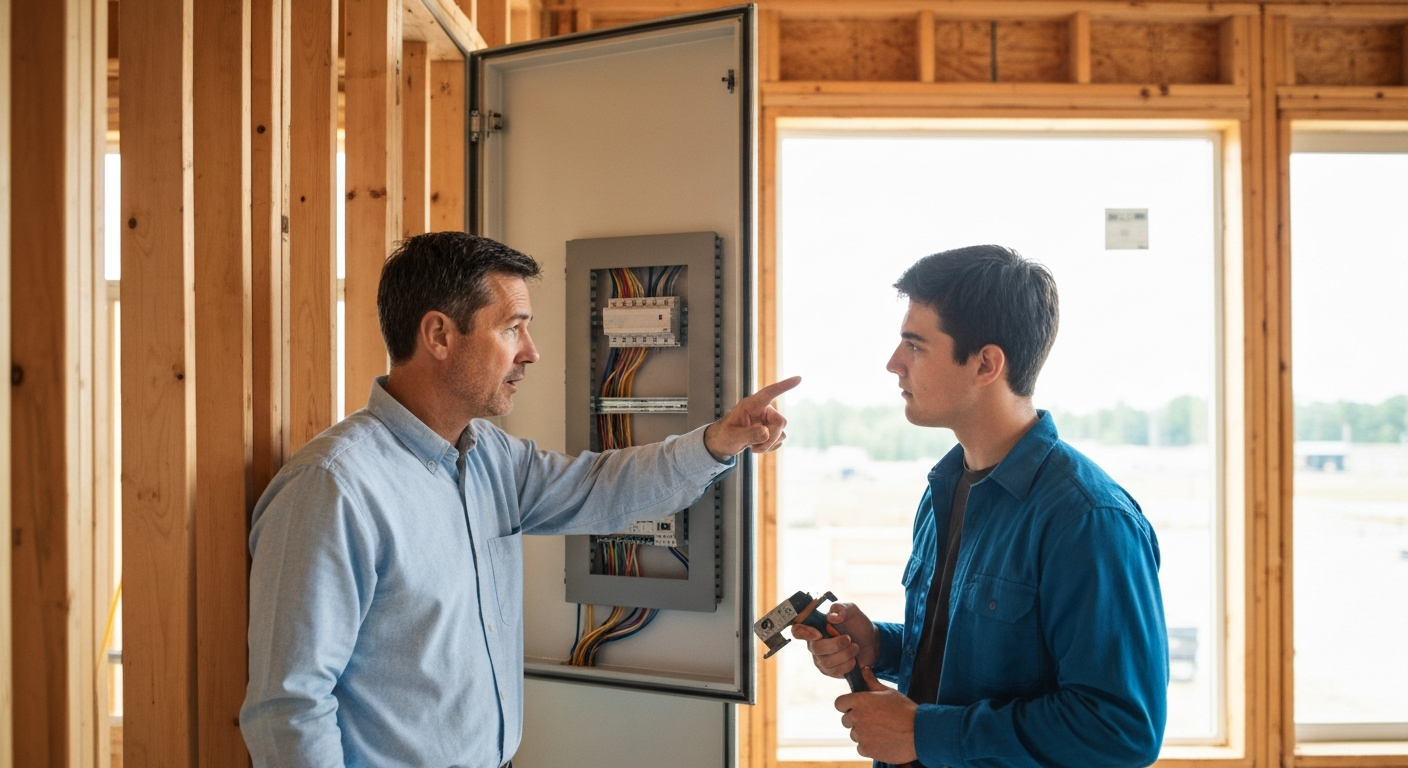
For many, the first step into the electrical trade is becoming an electrician helper. This entry-level role does not typically require formal electrical knowledge but serves as a crucial introductory period. As a helper, you will work alongside experienced journeyman and master electricians, performing basic tasks like gathering tools and materials, drilling holes, and cleaning work areas. This hands-on experience provides invaluable insight into the daily work and is the perfect way to begin your on-the-job training while confirming if the career is the right fit for you. Most employers look for candidates with a high school diploma or GED and a strong work ethic.
Step 2: Formal Training – Electrician School vs. Apprenticeship
Once you’ve decided to commit to the trade, the next step is formal training. You have two primary paths: attending an electrical trade school or securing an apprenticeship directly.
- Electrician School or Online Electrical Courses: Many aspiring electricians enroll in a pre-apprenticeship program at a technical college or an electrician school. These programs focus on foundational electrical theory, mathematics, blueprint reading, and safety protocols. Completing a program that uses a curriculum like NCCER can give you a significant advantage when applying for apprenticeships. These courses provide the classroom knowledge required, making you a more attractive candidate for employers.
- Electrician Apprenticeship: This is the core of your electrician training. An apprenticeship combines full-time, paid on-the-job training with part-time classroom instruction. Many registered programs require roughly 8,000 hours of supervised on-the-job training and about 576 hours of classroom instruction, though exact hour requirements vary by state and program. You can find an electrician apprenticeship through two main channels:
- Union Apprenticeship (IBEW): Offered through the International Brotherhood of Electrical Workers (IBEW) and the National Electrical Contractors Association (NECA). These programs are highly structured, often offer competitive wages and benefits, and provide a clear path to becoming a union member.
- Non-Union Apprenticeship: Offered by individual electrical contractors or through trade associations like the Independent Electrical Contractors (IEC) or Associated Builders and Contractors (ABC). These programs offer excellent training and a direct-hire relationship with an employer.
No matter the path, the goal is to complete the required training hours and classroom instruction to qualify for your journeyman license exam.
Step 3: Becoming a Journeyman Electrician
Upon successful completion of your apprenticeship program, you are eligible to apply for your journeyman electrician license. This typically involves submitting proof of your training hours and passing a state-administered licensing exam. The exam tests your knowledge of the National Electrical Code (NEC), state-specific regulations, and general electrical theory. Becoming a journeyman signifies that you are a qualified and competent electrician, allowed to work independently under the general supervision of a master electrician. Licensing requirements vary significantly by state; for example, the path to a journeyman license in Alaska has its own specific criteria. Always consult your state’s licensing board for detailed requirements.
Step 4: Advancing to Master Electrician
The highest level of licensure is the master electrician. After working as a journeyman for a specified period (typically two to four years), you can take the master electrician exam. Passing this exam demonstrates an advanced level of expertise in the NEC, project management, and supervision. As a master electrician, you can pull permits for projects, supervise other electricians, and own and operate your own business as an electrical contractor. For those aiming for this top tier, a rigorous study plan is essential. You can learn more from our guide on how to create a master electrician exam prep study plan.
Essential Skills and Certifications for Success
Beyond the formal licensing path, a successful electrician must cultivate a specific set of skills and supplementary certifications. Proficiency in these areas will set you apart and ensure a long and safe career.
- Code Expertise: A deep and current understanding of the National Electrical Code (NEC) is non-negotiable. The NEC code book is updated every three years, and staying current is critical for compliance and safety. States often adopt new code cycles at different times, which is why understanding specific state rules, like the DORA guide for Colorado electricians, is so important.
- Safety Certification: An OSHA certification, particularly the OSHA 10 or OSHA 30 course, is often required by employers before setting foot on many job sites. It provides essential training on recognizing and preventing workplace hazards.
- Technical and Soft Skills: Strong math skills, problem-solving abilities, physical fitness, and excellent communication are all vital for a career in the electrical trade.
- Specialized Knowledge: As the industry evolves, expertise in areas like renewable energy, home automation, and commercial fire alarm systems can lead to higher-paying opportunities.
Ready to get started? Start your journey with our exam prep and foundational courses.
The Financial Outlook: How Much Does an Electrician Make?
The financial prospects for electricians are strong and stable. According to the U.S. Bureau of Labor Statistics, the median annual wage for electricians was about $61,000–$62,000 (approximately $61.6k) in 2023. However, this figure can vary widely based on several factors. The answer to “how much does an electrician make” depends on your license level, geographic location, specialization, and whether you work in a union or non-union environment. Master electricians who become an electrical contractor and run their own business have the highest earning potential. With projected job growth on the order of about 6% over the next decade (BLS projection at time of this writing), the demand for skilled electricians is expected to remain solid, supporting job opportunities and earnings growth in many markets.
The Future of the Electrical Trade
The electrical industry is in a period of rapid growth and transformation. Several key trends are creating massive opportunities for electricians entering the field today. The push toward renewable energy means a surging demand for electricians skilled in installing solar panels and wind turbines. Likewise, the growing electric vehicle (EV) market is creating a new and expanding sector for electricians who can install and maintain residential and commercial charging stations. Finally, the “Electrification of Everything” trend, which includes the integration of smart home technology and IoT devices, is expanding the scope of both residential wiring and commercial wiring, requiring a new generation of tech-savvy electricians.
Primary Sources
- U.S. Bureau of Labor Statistics (BLS), Occupational Outlook Handbook: Electricians
- National Fire Protection Association (NFPA) for the National Electrical Code (NEC)
- OSHA Education Center
Frequently Asked Questions (FAQ)
What’s the fastest way to start an electrician apprenticeship?
The fastest way is often to enroll in a pre-apprenticeship program at an electrician school or technical college. Completing such a program demonstrates commitment and provides you with the foundational knowledge that employers and apprenticeship committees look for, making your application more competitive.
Do I need to go to an electrical trade school to become a journeyman electrician?
While not always mandatory, attending an electrical trade school is highly recommended. It provides the structured classroom learning in electrical theory and code that is a required component of any electrician apprenticeship. Some apprenticeships integrate this schooling into their program, while others prefer you complete it beforehand.
What is the difference between a union and non-union electrician apprenticeship?
A union apprenticeship is conducted through the IBEW and typically offers standardized wages, benefits, and job placement within its network of union contractors. A non-union apprenticeship is offered directly by an electrical contractor or a trade group like IEC or ABC, where wages and benefits are set by the employer, and you work directly for that company during your training.
Continuing Education by State
Select your state to view board-approved continuing education courses and requirements:

Disclaimer: The information provided in this educational content has been prepared with care to reflect current regulatory requirements for continuing education. However, licensing rules and regulations can vary by state and are subject to change. While we strive for accuracy, ExpertCE cannot guarantee that all details are complete or up to date at the time of reading. For the most current and authoritative information, always refer directly to your state’s official licensing board or regulatory agency.
NEC®, NFPA 70E®, NFPA 70®, and National Electrical Code® are registered trademarks of the National Fire Protection Association® (NFPA®)
You may also like
Colorado Electrical Licensing Requirements and Reciprocity Guide
Standby Generators in DE: Navigating Coastal Storm Regulations

 Login with Google