
A Guide to Energy Storage Systems (ESS) for Solar Installers
A Guide to Energy Storage Systems (ESS) for Solar Installers
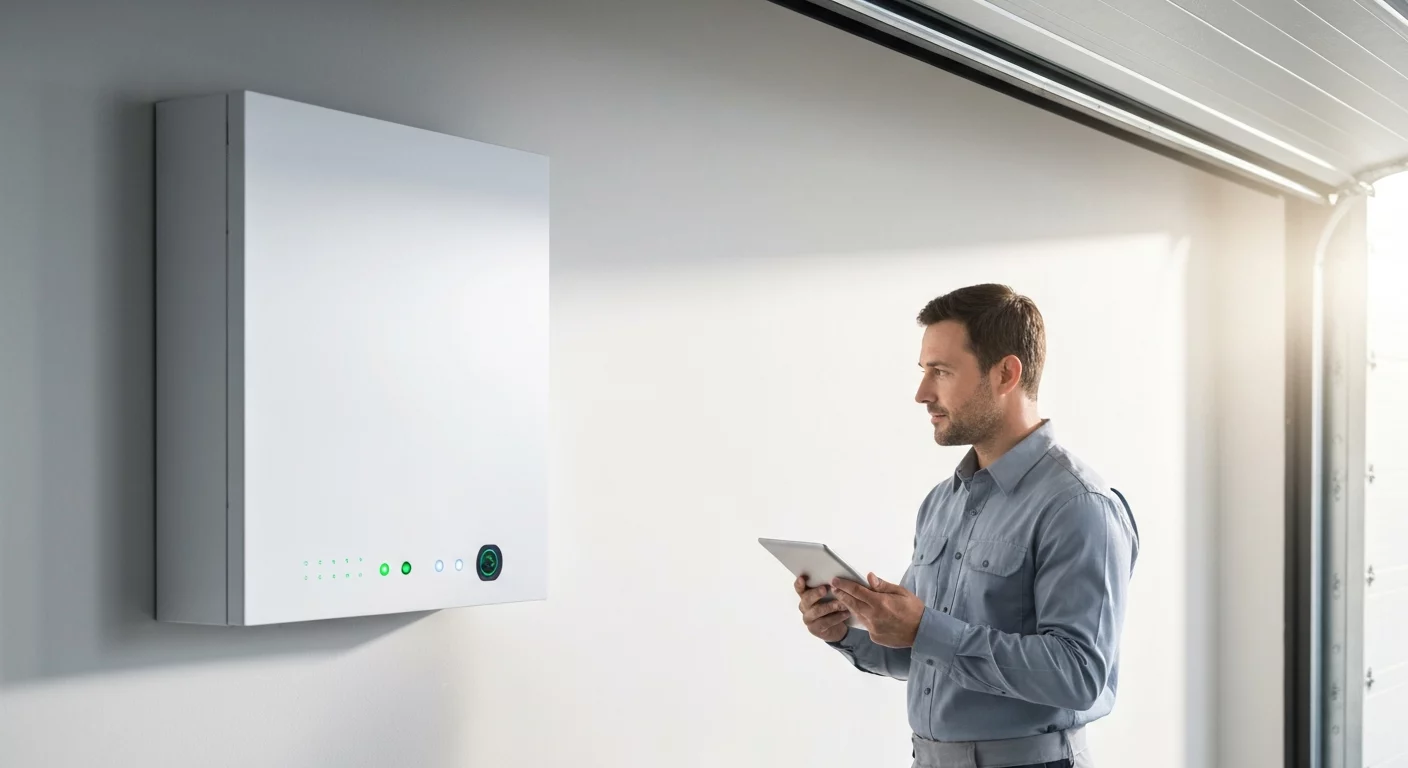
Energy storage systems (ESS) are rapidly becoming a standard component of solar installations, transforming intermittent renewable sources into firm, reliable power. For a licensed journeyman electrician or solar installer, mastering ESS is no longer a niche specialty but a core competency. These systems, primarily in the form of battery energy storage systems (BESS), allow homeowners and businesses to store excess solar energy for use after sundown or during grid outages, functioning like a sophisticated solar powered generator for home use. The installation, safety, and operation of these systems are governed by NEC Article 706, which provides a clear framework for everything from disconnecting means to commissioning. As the residential energy storage market grows, driven by falling costs for lithium-ion batteries and a demand for energy resilience, the need for qualified installers who understand these complex systems has never been greater.
The Growing Demand for Residential and Commercial Energy Storage
The market for energy storage is expanding at an unprecedented rate. Homeowners and businesses are increasingly seeking energy independence, reliable backup power, and ways to reduce electricity costs by avoiding peak demand charges. This has fueled a surge in both residential energy storage and commercial energy storage solutions. For electricians and solar professionals, this trend represents a significant opportunity for business growth and specialization. The skills required to install solar are a strong foundation, but the addition of energy storage opens new revenue streams and provides a more comprehensive service to clients. To learn more about how this trend is creating new roles, you can explore Colorado solar career opportunities for electricians.
Understanding the Core Components of Battery Energy Storage Systems (BESS)
While the term ESS is broad, the vast majority of systems paired with solar are battery energy storage systems (BESS). A successful installation requires understanding their key components.
Batteries: The Heart of the System
At the center of any BESS are the batteries themselves. Today, lithium-ion batteries dominate the market due to their high energy density, long lifespan, and declining costs. Chemistries like Lithium Iron Phosphate (LFP) are particularly popular in stationary storage for their enhanced safety and thermal stability compared to other lithium-ion variants.
Inverters and Converters
Batteries store and discharge direct current (DC) power, while homes and the electrical grid use alternating current (AC) power. The role of inverters and converters is to manage this crucial power transformation. In a DC-coupled system, DC power from the solar panels can charge the batteries directly before being inverted to AC for home use. In an AC-coupled system, the solar power is first inverted to AC and then converted back to DC to charge the batteries, offering more flexibility for retrofitting existing solar arrays.
System Controllers and Management Systems
The Battery Management System (BMS) is the brain of the battery, monitoring its state of charge, temperature, and health to ensure safe and efficient operation. A higher-level system controller coordinates the flow of energy between the solar panels, battery, grid, and home loads, executing logic for backup power, time-of-use optimization, or maximizing self-consumption.
Key System Configurations: Stand-Alone vs. Grid-Tied
Energy storage systems are typically installed in one of two primary configurations, each governed by different parts of the National Electrical Code.
Stand-Alone ESS
A stand-alone ESS operates completely independently of the utility grid. This is common for remote properties where grid access is unavailable or prohibitively expensive. In this setup, the ESS is the primary power source when the solar panels are not producing energy. These systems must be sized to handle 100% of the property’s energy needs and often include a backup source like a standby generator for extended periods of bad weather. The design of these systems must comply with both NEC Article 706 for the specific ESS requirements and Article 710, which covers stand-alone systems in general.
Interactive Grid-Tied Systems
The most common configuration for residential and commercial properties is the interactive grid-tied system. This system is connected to the utility grid, allowing it to both draw power from and export power to the grid. During a grid outage, a transfer device—such as an automatic transfer switch or a Microgrid Interconnect Device (MID), depending on system design—safely disconnects the system from the grid to prevent back-feeding and can enable the system to operate as a local microgrid to power the home’s critical loads. A MID is an evaluated interconnect/control device intended for microgrid connections and may provide functions beyond a simple transfer switch.
Navigating NEC Article 706 for Compliant Installations
For any qualified electrician, understanding the code is non-negotiable. NEC Article 706 is the foundational text for permanently installed energy storage systems. A thorough reading of the full nec code book is essential, but installers should pay special attention to the following areas.
ESS Disconnecting Means
Article 706.15 mandates a readily accessible disconnecting means for the ESS. This allows the system to be isolated from all other power sources and premises wiring for service or emergencies. The requirements are specific and intended to ensure that first responders and service personnel can safely de-energize the system. Unlike a simple generator interlock kit used for portable generators, the disconnects for a permanent ESS must be listed for the purpose and installed according to strict code guidelines.
Commissioning and Maintenance Requirements
Proper commissioning and maintenance are critical for safety and longevity. For ESS installations in other than one- and two-family dwellings, the 2023 NEC requires formal commissioning to verify the system is installed and operating correctly per the manufacturer’s specifications. Maintenance records are also required for these systems. This focus on post-installation verification underscores the importance of ongoing electrical preventative maintenance. To learn more about these evolving standards, see our lesson on how the 2023 NEC changes ESS commissioning and maintenance requirements. To master these requirements and more, check out our selection of online electrical courses.
Get into the growing energy storage market. View our ESS training courses.
Step-by-Step: Key Considerations for an ESS Installation
A successful ESS installation is a multi-stage process that demands careful planning and execution.
- Site Assessment and Load Calculation: The process begins with a detailed analysis of the client’s energy usage and goals. This includes performing a load calculation to determine which circuits will be backed up and ensuring the existing electrical service, such as a 200 amp panel, has sufficient capacity for the added load of the ESS.
- System Sizing and Component Selection: Based on the load calculation and client’s desire for autonomy, select an appropriately sized battery and inverter. Consider factors like battery chemistry, power output, and warranty.
- Permitting and Code Compliance: Develop a full plan set that adheres to both NEC Article 706 and any local jurisdictional requirements. This includes layouts, a one-line electrical diagram, and equipment specifications.
- Mechanical and Electrical Installation: Install all components according to the manufacturer’s instructions and the NEC. This includes mounting hardware, running conduit, and ensuring all electrical connections are properly torqued. Pay close attention to working space clearances as defined in NEC 110.26.
- Commissioning and Client Hand-off: Follow a systematic commissioning checklist to test all modes of operation (grid-tied, backup, etc.). Verify all monitoring and safety features are functional. Finally, provide the client with thorough training on how the system operates and what to expect during a power outage.
Essential Safety Protocols for Installers
Working with battery energy storage systems (BESS) introduces unique hazards, particularly when dealing with high-voltage DC circuits and the chemical energy stored in lithium-ion batteries. Adhering to strict electrical safety protocols is paramount.
- Personal Protective Equipment (PPE): Always wear appropriate PPE, including voltage-rated gloves, safety glasses, and arc-rated clothing when working on or near energized components, as required by NFPA 70E.
- Lockout/Tagout (LOTO): Follow proper LOTO procedures to ensure all power sources are de-energized and locked out before beginning work. This includes the grid, the solar array, and the battery itself.
- Use Insulated Tools: To prevent accidental short circuits, which can lead to arc flash and thermal runaway, always use properly rated insulated hand tools.
- Ventilation and Location: Install batteries in a well-ventilated area away from combustible materials and follow manufacturer guidelines regarding temperature and humidity.
- Training and Qualification: Only qualified persons, as defined by the NEC and OSHA, should install and maintain energy storage systems. For an in-depth look at new battery safety rules, review our lesson on how NFPA 70E 2024 battery safety requirements have changed.
Becoming an Energy Storage Installation Professional
To demonstrate expertise in this growing field, many professionals pursue advanced certifications. The North American Board of Certified Energy Practitioners (NABCEP) offers the Energy Storage Installation Professional (ESIP) credential. Becoming NABCEP certified signifies a high level of knowledge and skill in ESS design, installation, and commissioning, setting you apart in the marketplace and providing clients with confidence in your abilities.
Primary Sources
- NFPA 70, National Electrical Code (NEC), specifically Article 706 on Energy Storage Systems.
- NFPA 855, Standard for the Installation of Energy Storage Systems.
- NABCEP, “Energy Storage Installation Professional (ESIP) – NABCEP Board Certification”
Frequently Asked Questions about Energy Storage Systems
- What is the difference between an ESS and a traditional standby generator?
- While both provide backup power, an ESS like a solar powered generator for home use stores energy from the grid or solar panels and delivers it silently and instantly. A standby generator burns fuel (like natural gas or propane) to create electricity and has a slight delay before it can power the home. ESS can also be used daily for cost savings, whereas a generator is typically for backup only.
- Do I need a special transfer switch for a solar battery system?
- Yes, but it’s typically more than just a standard transfer switch for generator use. Interactive grid-tied systems use an integrated device, often called a microgrid interconnect device (MID) or system controller, that automatically and safely disconnects from the grid during an outage and enables the battery and solar to form a stable, independent microgrid for the home.
- What are the main requirements of NEC Article 706 for residential energy storage?
- NEC Article 706 covers several key areas for residential energy storage, including mandating that systems be listed by a qualified testing lab, specifying requirements for disconnecting means to safely isolate the system, providing rules for circuit sizing and overcurrent protection, and outlining proper installation and location to ensure safety.
- Is a generator interlock kit sufficient for connecting an ESS?
- No. A generator interlock kit is a manual device designed to prevent a portable generator from back-feeding the grid. A listed, permanently installed ESS requires a specific, often automatic, disconnecting means as part of its listing and as required by NEC 706 to ensure it can’t energize the grid during an outage.
Continuing Education by State
Select your state to view board-approved continuing education courses and requirements:

Disclaimer: The information provided in this educational content has been prepared with care to reflect current regulatory requirements for continuing education. However, licensing rules and regulations can vary by state and are subject to change. While we strive for accuracy, ExpertCE cannot guarantee that all details are complete or up to date at the time of reading. For the most current and authoritative information, always refer directly to your state’s official licensing board or regulatory agency.
NEC®, NFPA 70E®, NFPA 70®, and National Electrical Code® are registered trademarks of the National Fire Protection Association® (NFPA®)
You may also like
Colorado Electrical Licensing Requirements and Reciprocity Guide
Standby Generators in DE: Navigating Coastal Storm Regulations

 Login with Google