
What is the Combination Vehicles Test for a Class A CDL?
What Is the Combination Vehicles Test for a Class A CDL? An Electrician’s Guide
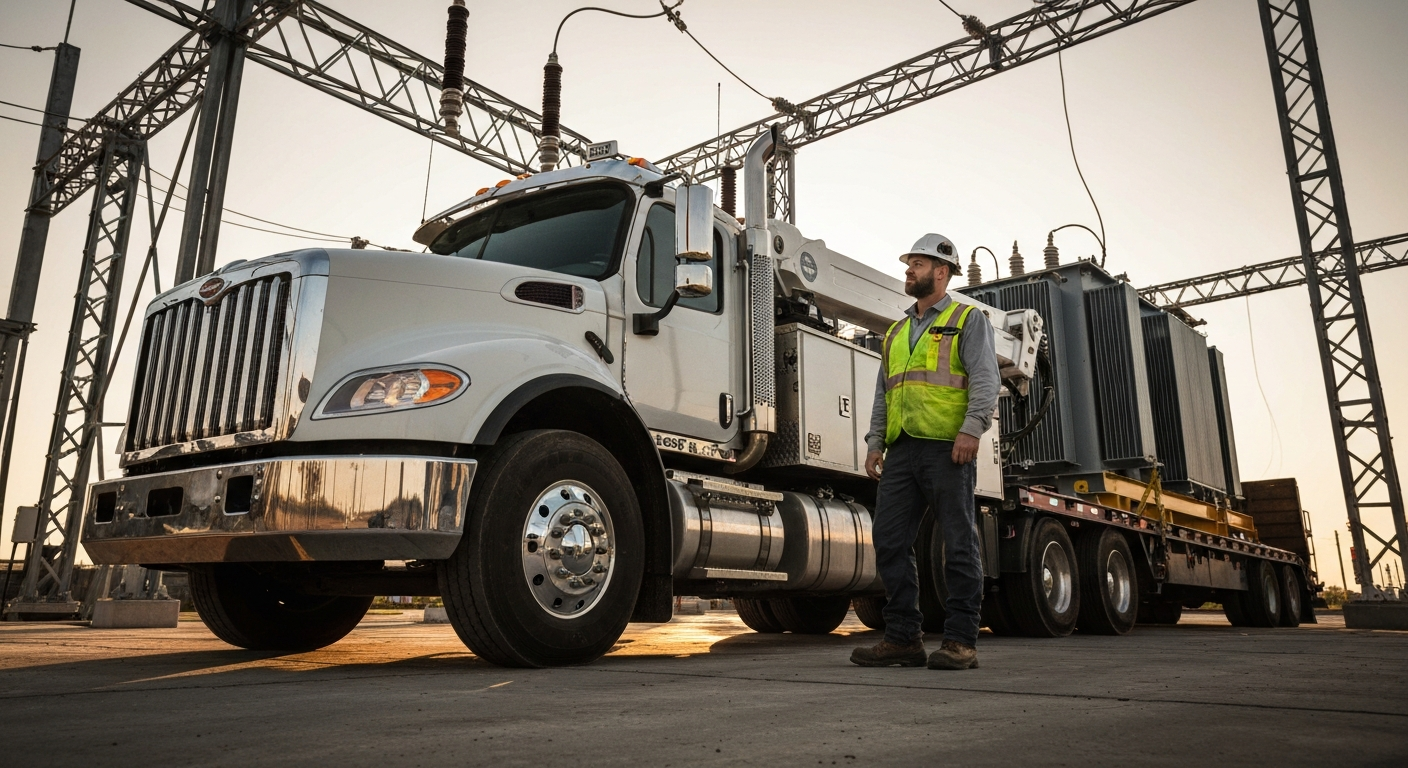
The Combination Vehicles test is a mandatory component for obtaining a Class A Commercial Driver’s License (CDL), designed to ensure a driver can safely operate a tractor-trailer or a truck and trailer combination. For a master electrician or journeyman lineman, passing this test is often a critical step for career advancement, as it provides the legal qualification for hauling heavy electrical equipment like a large standby generator or electrical transformer. The test itself consists of a written exam and a three-part skills test: the pre-trip inspection, basic vehicle control, and a road test. Successfully passing demonstrates proficiency in crucial areas such as coupling and uncoupling service trailers, understanding the general DOT regulations that apply to all commercial drivers, and performing safety checks like a digger derrick air brake test. This certification is essential for many roles in the electrical trade, particularly for journeyman lineman CDL requirements and any Class A CDL for electrical contractors who manage large-scale projects.
Why a Class A CDL is Crucial for Electrical Professionals
For many journeyman electricians and master electricians, the scope of work extends beyond pulling wires. Large industrial projects, utility-scale solar farms, and infrastructure upgrades require the transport of heavy and oversized materials. This is where a Commercial Driver’s License becomes a non-negotiable asset. Hauling heavy electrical equipment, such as switchgear, large conduits, or a heavy-duty electrical transformer, often requires a vehicle setup that exceeds the weight limits of a standard license. A Class A CDL is required for any combination of vehicles with a Gross Combination Weight Rating (GCWR) of 26,001 pounds or more, provided the Gross Vehicle Weight Rating (GVWR) of the vehicle(s) being towed is in excess of 10,000 pounds (49 CFR § 383.5). This covers the typical utility service truck and trailer configurations used by many electrical contractors and linemen.
Furthermore, specialized roles like a journeyman lineman have specific CDL requirements due to the nature of their work. Operating a bucket truck while towing a pole trailer, or operating a digger derrick truck with an attached trailer, may fall under Class A regulations if the combined weight meets the federal thresholds for a Class A CDL (for example, a GCWR of 26,001 pounds or more and a towed vehicle GVWR greater than 10,000 pounds). Possessing a CDL opens up opportunities for higher-paying roles and is often a prerequisite for positions involving electrical utility vehicle operation. It signifies a higher level of electrician training and a commitment to service truck and trailer safety.
Breaking Down the Combination Vehicles Test
The path to earning your Class A CDL involves passing the Combination Vehicles test, which is broken into a written knowledge exam and a hands-on skills test. The process is governed by the Federal Motor Carrier Safety Administration (FMCSA) under regulations found in 49 CFR Part 383, with states administering the actual tests. Recent updates under the CDL Skills Test Modernization initiative have streamlined the process to better reflect real-world driving situations.
Part 1: The Written Knowledge Test
Before you get behind the wheel, you must pass a multiple-choice written exam. This test covers the theoretical knowledge needed to operate a combination vehicle safely. Key topics include:
- Driving Combination Vehicles Safely: Understanding rollover risks, managing the “crack-the-whip” effect, and braking techniques.
- Combination Vehicle Air Brakes: Knowledge of the service and emergency air lines, testing for leaks, and using the trailer hand valve.
- Coupling and Uncoupling: The proper steps for connecting and disconnecting the tractor and trailer.
- Inspecting Combination Vehicles: Identifying key components and potential safety issues.
Part 2: The Three-Part Skills Test
This is the practical portion of the exam, where you demonstrate your ability to handle the vehicle.
- Vehicle Inspection Test: This is a detailed pre-trip inspection for lineman trucks and their trailers. You must walk the examiner around the vehicle, pointing out critical components and explaining what you are checking for. This includes everything from tires and brakes to the coupling system (fifth wheel, kingpin, locking jaws) and ensuring air and electrical lines are secure. For electricians, this could mean inspecting the mounting of a digger derrick and performing an air brake test.
- Basic Control Skills Test: This part tests your ability to maneuver the vehicle in a controlled, off-road environment. Common maneuvers include straight-line backing, offset backing, and parallel parking. This simulates the tight situations you might encounter on a job site.
- Road Test: The final part involves driving the vehicle on public roads in various traffic situations. The examiner will evaluate your ability to handle intersections, change lanes, merge, and generally operate the vehicle safely according to traffic laws and general DOT regulations.
A Critical Skill: Step-by-Step Coupling and Uncoupling Service Trailers
One of the most important hands-on skills for the combination vehicles test is the coupling and uncoupling procedure. For electrical professionals, this is a daily reality when dealing with a service truck and trailer. Here’s a step-by-step guide:
Coupling Procedure:
- Inspect the Fifth Wheel: Ensure the locking jaws are open, the fifth wheel is tilted back, and the platform is properly lubricated.
- Position the Tractor: Align the tractor directly in front of the trailer. Use your mirrors to ensure the kingpin is aligned with the center of the fifth wheel.
- Back Slowly: Ease the tractor back until the fifth wheel makes contact with the trailer’s apron. Do not hit it with force. Continue backing until you hear and feel the kingpin lock into the jaws.
- Perform a Tug Test: Gently pull the tractor forward while the trailer brakes are still applied to ensure a secure connection. The trailer should hold the tractor in place.
- Connect Lines: Connect the air lines (conventionally red for emergency and blue for service) and the electrical cord. Make sure the glad hands are clean and the seals are intact. Check that the lines have enough slack for turns but are not dragging on the catwalk.
- Supply Air and Inspect: Push in the trailer air supply valve to charge the trailer’s air system. Visually inspect the coupling to confirm there is no gap between the fifth wheel and the apron and that the locking jaws are closed around the kingpin.
- Raise Landing Gear: Fully raise the trailer’s landing gear and secure the crank handle.
This entire process is central to safe electrical utility vehicle operation and is a major focus of the CDL test.
Key Considerations for Electricians
For electricians and contractors, understanding vehicle specifications is as important as knowing the NEC code book. It directly impacts safety and compliance.
- Gross Combination Weight Rating (GCWR) for Electricians: Always be aware of the GCWR of your truck and trailer. Exceeding this limit is a serious violation. This rating determines whether a Class A CDL is required for your specific setup.
- CDL Endorsements for Electrical Work: While the Combination Vehicles test is for the Class A license itself, some jobs may require additional endorsements. For example, if your utility truck is used for water transport for hydro-excavation, you may need a Tanker (N) endorsement. Endorsement requirements, including any vehicle capacity thresholds, are established federally and implemented by states; consult FMCSA guidance and your state DMV for the specific rules that apply in your jurisdiction.
- Service Truck and Trailer Safety: Beyond the test, ongoing safety is paramount. Regular inspections, adherence to load securement rules, and understanding the unique handling characteristics of your vehicle are part of a professional driver’s responsibilities. This forms a key part of advanced electrician training, much like staying current with NCCER certifications or online electrical courses.
Investing in the training to pass the combination vehicles test is an investment in your career. It enhances your skills, increases your value as a master electrician or journeyman lineman, and ensures you are compliant with federal law when hauling heavy electrical equipment. Get your Class A CDL. Study for the Combination Vehicles test now.
Frequently Asked Questions (FAQ)
What is the combination vehicles test?
The combination vehicles test is a required exam for anyone seeking a Class A CDL. It covers the specific knowledge and skills needed to safely operate a combination vehicle, like a tractor-trailer or a truck towing a heavy trailer. It includes a written test and a skills test focusing on inspection, handling, and on-road driving.
Do I need a Class A CDL to haul a standby generator?
It depends on the weight. A Class A CDL is generally required if the Gross Combination Weight Rating (GCWR) of your truck and trailer is 26,001 lbs. or more, and the trailer’s GVWR is over 10,000 lbs. Many large commercial standby generators and their trailers will exceed this limit, making a Class A license necessary. However, because states administer the CDL program, it’s important to check your state’s specific regulations for any variations or exemptions, especially for non-commercial use.
What are some key topics on the combination vehicles test for a journeyman electrician?
A journeyman electrician should focus on topics directly related to their work. This includes the pre-trip inspection for lineman trucks, understanding the gross combination weight rating for electricians to avoid overload, and mastering the coupling and uncoupling of service trailers. The air brake test is also a critical component.
Does the test cover specific DOT regulations for electrical contractors?
The CDL test covers general DOT regulations applicable to all commercial drivers, as set by the Federal Motor Carrier Safety Administration (FMCSA). There are no DOT regulations uniquely specific to the electrical trade. However, understanding and adhering to these general rules on hours of service, vehicle inspections, and safe driving practices is a core part of being a compliant commercial driver, including for electrical contractors operating these vehicles.
Continuing Education by State
Select your state to view board-approved continuing education courses and requirements:

Disclaimer: The information provided in this educational content has been prepared with care to reflect current regulatory requirements for continuing education. However, licensing rules and regulations can vary by state and are subject to change. While we strive for accuracy, ExpertCE cannot guarantee that all details are complete or up to date at the time of reading. For the most current and authoritative information, always refer directly to your state’s official licensing board or regulatory agency.
NEC®, NFPA 70E®, NFPA 70®, and National Electrical Code® are registered trademarks of the National Fire Protection Association® (NFPA®)
You may also like
Colorado Electrical Licensing Requirements and Reciprocity Guide
Standby Generators in DE: Navigating Coastal Storm Regulations

 Login with Google