
CDL Pre-Trip Inspection: A Step-by-Step Checklist for Linemen
CDL Pre-Trip Inspection: A Step-by-Step Checklist for Linemen
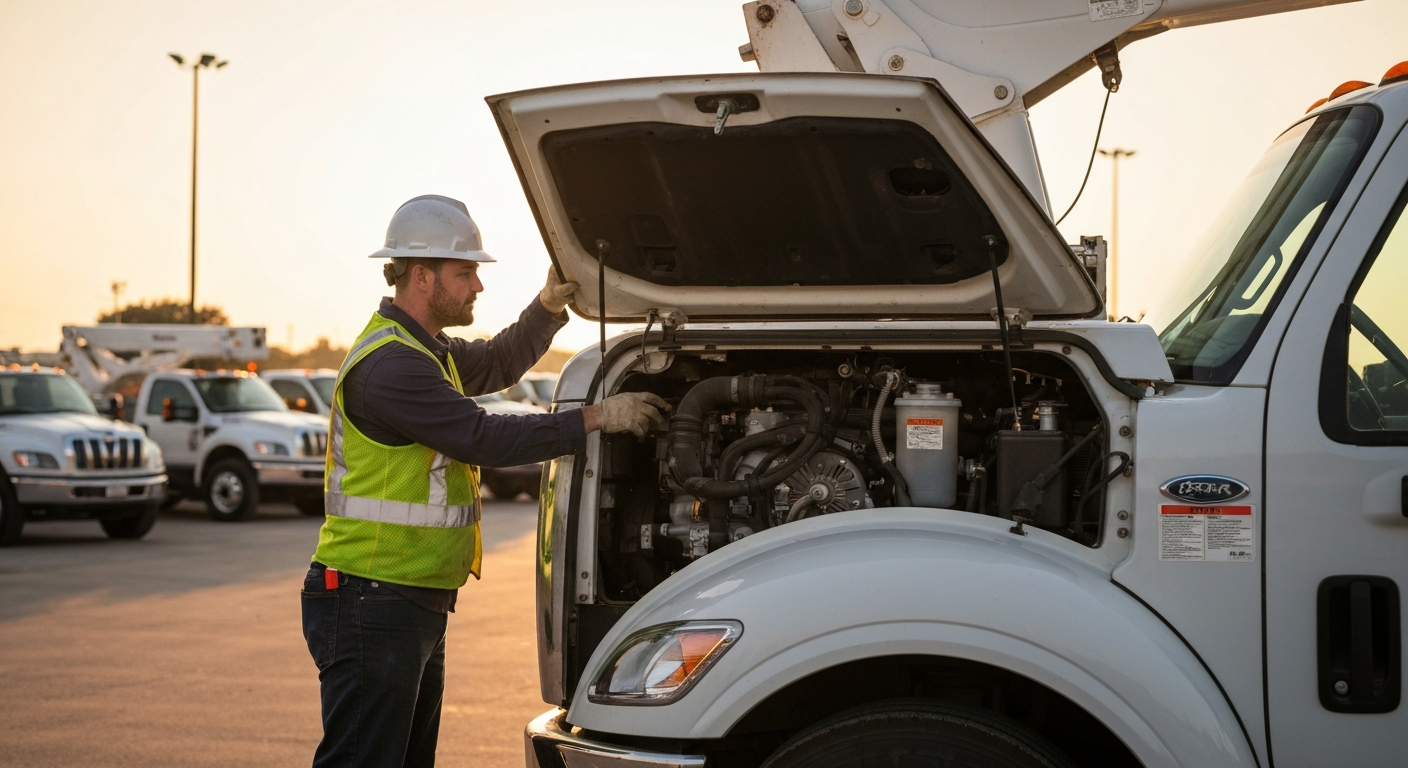
For a lineman, the Commercial Driver’s License (CDL) pre-trip inspection is more than a routine check; it’s a critical safety measure that prevents catastrophic failures. A proper cdl pre-trip inspection checklist for a utility vehicle involves not only standard truck components but also specialized equipment like booms, hydraulics, and outriggers. This inspection ensures the vehicle is safe to operate on the road and on the job site, adhering to applicable OSHA requirements and industry consensus standards. A detailed bucket truck pre-use checklist or digger derrick inspection is essential for identifying issues before they lead to accidents. From verifying hydraulic systems to ensuring the integrity of live-line tools, this daily ritual protects the operator, the public, and the electrical infrastructure. Mastering this process is a fundamental aspect of professional electrician training for any line worker.
Why a Specialized Pre-Trip Inspection is Critical for Linemen
For linemen operating specialized commercial motor vehicles (CMVs) like bucket trucks and digger derricks, the pre-trip inspection is the first line of defense against on-the-job accidents. While a standard CDL inspection focuses on brakes, tires, and lights, a lineman’s inspection must be far more comprehensive. The unique machinery mounted on these trucks—including aerial lifts, hydraulic booms, and augers—presents significant additional risks if not meticulously maintained. OSHA’s motor vehicle rule (29 CFR 1926.601) addresses vehicle safety on construction sites; employers are required to ensure vehicles are in safe operating condition and commonly implement start-of-shift checks to meet that obligation. For utility vehicles, this requirement is extended to specialized equipment because employers must meet OSHA’s performance requirements and often adopt consensus standards and manufacturers’ instructions. For example, OSHA’s aerial lift rule (29 CFR 1926.453) sets inspection and safe-use requirements for aerial devices; employers commonly rely on ANSI A92.2 and manufacturers’ instructions to satisfy those requirements, and where OSHA or a contract explicitly references a consensus standard it becomes enforceable. Similar specific rules apply to many derricks under the cranes-and-derricks provisions in Subpart CC when those pieces of equipment are used as cranes.
Failure to identify a hydraulic leak, a cracked weld on a boom, or a malfunctioning outrigger can have fatal consequences. These vehicles often operate near energized power lines, making mechanical integrity and electrical safety paramount. ANSI A92.2 is a consensus standard that provides detailed guidance for vehicle-mounted elevating and rotating aerial devices; following it is considered industry best practice and, where OSHA, a contract, or the equipment manufacturer references it, compliance is required to meet regulatory or contractual obligations. A thorough inspection protocol helps prevent equipment failures, ensures compliance with federal and state regulations, and ultimately keeps the crew and the public safe.
The Ultimate CDL Pre-Trip Inspection Checklist for Utility Vehicles
A lineman’s daily inspection is a three-part process: the standard CMV walk-around, a detailed check of the specialized utility equipment, and a final review of critical safety systems. This systematic approach ensures no component is overlooked.
Part 1: The Standard CMV Inspection (The Walk-Around)
This part covers the foundational elements required for any CDL vehicle. It ensures the chassis is roadworthy before you even think about operating the specialized equipment. At the end of the day’s work, findings should be documented on a Driver Vehicle Inspection Report (DVIR) if any defects are found.
- Engine Compartment: Check fluid levels (oil, coolant, power steering). Inspect all hoses for cracks or leaks. Check belts for cracks, fraying, and proper tension; as a general rule of thumb (not a specific regulation), they should have no more than 1/2″ to 3/4″ of play.
- In-Cab Check: Verify that the steering wheel has minimal play, the horn works, and the windshield and mirrors are clean and free of cracks. Test gauges, warning lights, and heater/defroster. Ensure all required safety equipment is present, including a fire extinguisher, spare fuses, and reflective triangles. While separate from the vehicle-focused CDL pre-trip, the in-cab check is a practical time to perform your personal fall protection equipment inspection; check your harness and lanyards for frays, cuts, or damaged hardware before the workday begins.
- External Walk-Around:
- Tires, Wheels, and Rims: Check for proper inflation and look for cuts, bulges, or damage. FMCSA (49 CFR 393.75) requires minimum tread depth of 4/32 inch on front (steering) axle tires and 2/32 inch on other tires. Ensure no rust trails around lug nuts, which could indicate looseness.
- Brakes and Suspension: Inspect brake chambers, slack adjusters, and air lines for leaks or damage. Check that leaf springs are not cracked, broken, or shifted.
- Lights and Reflectors: Test all lights—headlights (high and low beams), turn signals, four-way flashers, and brake lights. Ensure reflective tape is clean and intact.
- Frame and Coupling: Inspect the vehicle frame for cracks or illegal welds. If towing, check the coupling mechanism for security and wear.
Part 2: The Utility Equipment Inspection (The Lineman’s Focus)
This is where the inspection becomes specific to the work of a lineman. This detailed check ensures the specialized components are ready for safe operation under load and near energized lines.
- Aerial Lift and Boom Inspection: This is a key part of the bucket truck pre-use checklist. Visually inspect the entire boom for cracks, dents, or structural damage. ANSI A92.2 and most manufacturers recommend daily pre-use visual inspections. Ensure all placards, including load capacity charts and warning decals, are legible. This is the core of an aerial lift pre-operational inspection. A complete boom inspection checklist verifies the structural integrity before it’s subjected to working loads.
- Hydraulic System Inspection: Check the hydraulic fluid reservoir level. Visually trace all hydraulic lines and hoses, looking for leaks, bulges, or abrasive wear. A small hydraulic leak can quickly become a catastrophic failure under pressure.
- Digger Derrick Inspection: If operating a digger derrick, inspect the auger for damaged teeth and ensure the winch line is not frayed, kinked, or damaged. The daily digger derrick inspection must include checks of control mechanisms, hooks, and safety latches as outlined by OSHA and manufacturer guidance for derricks used in construction.
- Outrigger and Stabilizer Inspection: Fully extend and retract all outriggers and stabilizers. They should move smoothly without binding. Check the pads for excessive wear or damage and ensure all locking pins are secure. A proper outrigger and stabilizer inspection confirms the vehicle’s foundation is solid.
- Power-Take-Off (PTO) System Check: Engage and disengage the PTO system to ensure it operates correctly. Listen for any unusual noises that could indicate a mechanical issue. A functional power-take-off (PTO) system check is essential, as it powers all hydraulic functions.
Part 3: Critical Safety and Electrical Systems
The final part of the inspection focuses on the tools and systems that directly relate to electrical safety.
- Dielectric Testing Requirements: ANSI A92.2 and many manufacturers require periodic dielectric testing of insulating components; while annual testing is commonly recommended, the exact frequency is specified by the standard and equipment manufacturer—so follow manufacturer instructions and employer policy. The daily inspection should include a visual check of fiberglass components for cracks, gouges, or contamination.
- Hot Stick and Live-Line Tool Inspection: A thorough hot stick and live-line tool inspection is vital. Check tools for a clean, glossy surface, and inspect for any deep scratches or signs of moisture intrusion that could make them conductive.
- Utility Truck Safety Equipment and Storage: Ensure all compartments are latched securely. Proper lineman tool storage solutions prevent tools from shifting or falling during transit, creating a hazard. Verify that all additional utility truck safety equipment, like wheel chocks and grounding cables, is present and in good condition.
Passing your CDL exam is the first step, but mastering the pre-trip inspection is a daily requirement for a safe career. For comprehensive electrician training, from apprentice to master electrician levels, and even for those still in electrician school, understanding these protocols is key. Many programs aligned with NCCER standards emphasize this practical knowledge. Explore our online electrical courses designed to keep you at the top of your field. Pass your CDL exam on the first try. Master the pre-trip inspection.
Common Oversights and Pro Tips
Even experienced professionals can miss things. Here are key areas to double-check:
- Minor Leaks: A small drip of hydraulic fluid on the ground might seem minor, but it can indicate a failing seal that could rupture under pressure.
- Control Function Test: Don’t just check if the boom moves; test the controls from both the lower and upper stations to ensure they are responsive and that emergency stops function instantly.
- Decals and Manuals: Ensure all safety and operational decals are legible, as they provide critical information on load limits and operational warnings. The operator’s manual must also be on the vehicle.
- Personal Protective Equipment (PPE): Beyond the vehicle itself, a pre-use inspection of your fall arrest system and rubber gloves is a life-saving habit for any journeyman electrician or apprentice.
- Code Reference: While not part of the vehicle inspection itself, having the latest National Electrical Safety Code (NESC) accessible is a mark of a true professional. The NESC (IEEE C2) governs the installation, operation, and maintenance of electric utility systems, ensuring any high-voltage repairs comply with national safety standards, which is a core part of a lineman’s responsibilities.
Frequently Asked Questions (FAQ)
How often must a digger derrick inspection be performed?
A visual and operational inspection must be performed daily or before each shift by the operator. This includes checking controls, hydraulic systems, and wire ropes. Additionally, more detailed periodic inspections by a qualified or competent person are required per manufacturer guidance, employer program, and applicable standards; inspection intervals vary (monthly, quarterly, annual, etc.) depending on equipment type and governing documents.
What are the key differences in a CDL pre-trip inspection for a bucket truck vs. a standard tractor-trailer?
The primary difference is the focus on specialized equipment. A bucket truck inspection adds a detailed hydraulic system inspection, a boom inspection checklist, an outrigger and stabilizer inspection, and verification of dielectric integrity. A standard tractor-trailer inspection focuses mainly on the tractor, trailer, and coupling systems, without the aerial lift components.
What do OSHA utility vehicle standards say about pre-trip inspections?
OSHA’s motor-vehicle rule (29 CFR 1926.601) addresses vehicle conditions and employer responsibilities, and the aerial lift standard (29 CFR 1926.453) covers vehicle-mounted aerial devices used in construction. OSHA’s general industry standard (29 CFR 1910.67) covers vehicle-mounted elevating and rotating aerial devices for general industry. For construction activities, 1926.453 generally applies. Employers must follow these regulations as well as applicable consensus standards and manufacturers’ instructions to design inspection programs that meet OSHA requirements.
Does my fall protection equipment inspection count as part of the CDL pre-trip?
This is a separate but equally critical pre-shift inspection. The CDL pre-trip inspection is a vehicle-focused protocol governed by the FMCSA. Your fall protection inspection is a personal protective equipment (PPE) check mandated by OSHA. While not technically part of the CDL vehicle checklist, it is a non-negotiable safety step that must be completed before starting any work in an aerial lift to ensure personal safety on the job site.
Continuing Education by State
Select your state to view board-approved continuing education courses and requirements:

Disclaimer: The information provided in this educational content has been prepared with care to reflect current regulatory requirements for continuing education. However, licensing rules and regulations can vary by state and are subject to change. While we strive for accuracy, ExpertCE cannot guarantee that all details are complete or up to date at the time of reading. For the most current and authoritative information, always refer directly to your state’s official licensing board or regulatory agency.
NEC®, NFPA 70E®, NFPA 70®, and National Electrical Code® are registered trademarks of the National Fire Protection Association® (NFPA®)
You may also like
Colorado Electrical Licensing Requirements and Reciprocity Guide
Standby Generators in DE: Navigating Coastal Storm Regulations

 Login with Google