
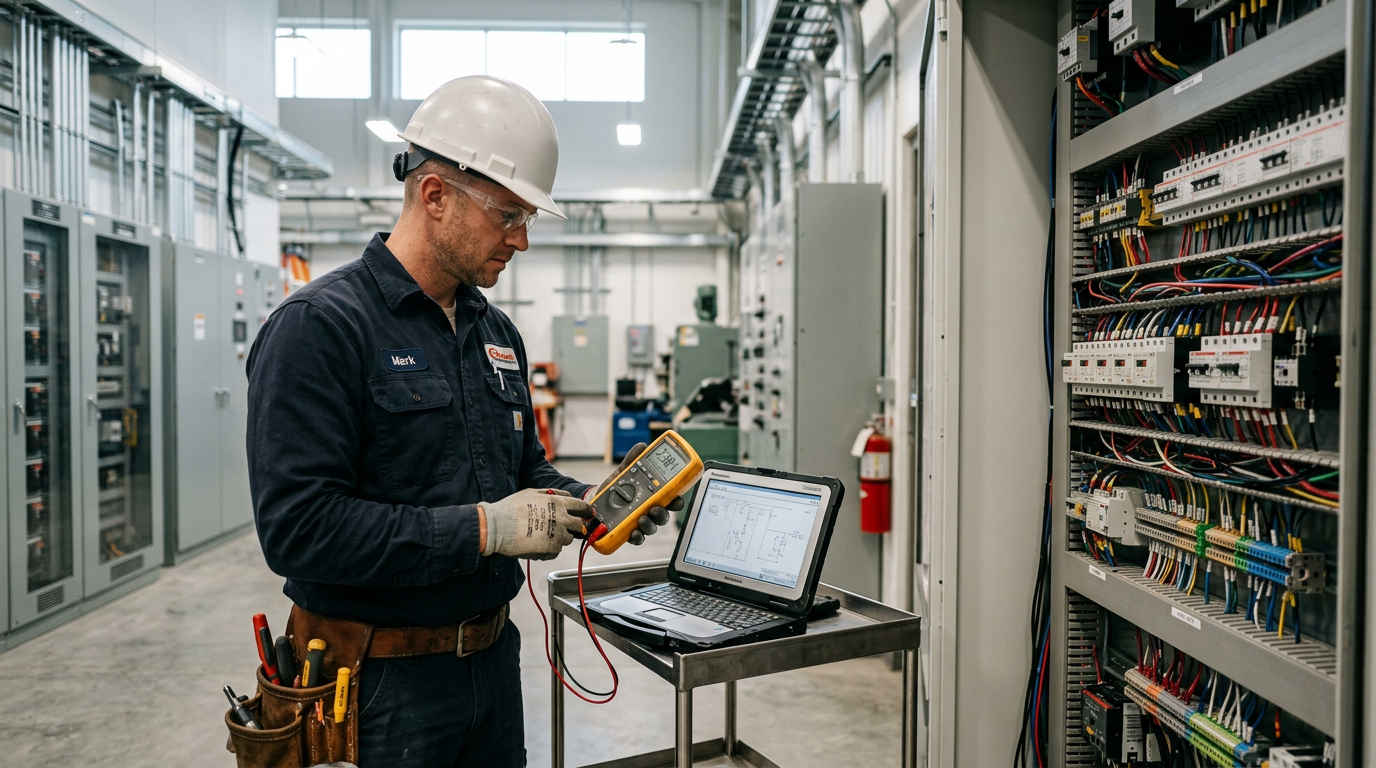
Top-Paying States for Electricians in 2026: Where the Real Money Is
Electrician Salary by State 2026: Trends and Career Outlook
The forecast for skilled electricians in 2026 is bright, with surging demand and rising wages creating significant opportunities across the country. For professionals in the trade, understanding the electrician salary by state 2026 isn’t just about curiosity—it’s about strategic career planning. Driven by a perfect storm of technological advancement, a skilled labor shortage, and massive infrastructure projects, the electrician career outlook has rarely been more promising.
What’s Fueling the Surge in Electrician Salaries?
Several powerful trends are converging to create a high-demand, high-wage environment. The U.S. Bureau of Labor Statistics (BLS) projects that employment for electricians will grow 6 percent from 2023 to 2033, with approximately 84,700 openings projected each year.
- The Green Transition: Renewable energy projects in solar and wind are exploding, creating new specialized career paths.
- Infrastructure Modernization: Federal initiatives are pumping billions into upgrading the nation’s power grid and public works.
- Technological Advancements: The rise of EVs, smart homes, and industrial automation increases the need for electricians with specialized knowledge.
The Highest Paying States for Electricians in 2026
Location remains one of the single biggest factors in determining income. Based on BLS data and market projections, the following states lead the nation in annual mean wages:
| State / District | Projected Annual Mean Wage | Primary Driver |
|---|---|---|
| Washington | $91,560 | Renewable energy & construction |
| Hawaii | $91,310 | Energy independence initiatives |
| New Jersey | $90,420 | Industrial base & metro demand |
| Alaska | $90,260 | Oil, gas, and union presence |
| Dist. of Columbia | $88,860 | Government & urban development |
Beyond the Paycheck: Cost of Living and Benefits
A high salary must be weighed against the cost of living. While California metros offer wages exceeding $112,000, high housing costs and taxes can diminish take-home pay compared to Midwest states with lower overhead. Additionally, union electrician pay scales often provide superior fringe benefits, including comprehensive healthcare and retirement plans, which can be worth significantly more than the hourly rate alone.
From Journeyman to Master: Advancing Your Potential
Your license level is your most powerful tool for increasing income. Advancing from a journeyman electrician salary to master electrician wages opens doors to supervisory roles and business ownership.
Specialization in high-demand fields also commands premium pay:
- Industrial automation and controls
- Renewable energy systems (Solar, Wind, Battery Storage)
- Data center maintenance
A deep understanding of the National Electrical Code is vital for these roles. For instance, staying current on impedance grounding system updates or junction box calculations is essential for high-level industrial work.
Navigating State Lines: Licensing and Reciprocity
Moving to a higher-paying state requires checking electrician license reciprocity agreements. Some states allow seamless transfers, while others require new exams. Always verify with the destination state’s board before relocating.
Unlock Your Highest Earning Potential
Stay competitive in 2026 by mastering the latest NEC updates and specialized skills.
Continuing Education by State
Select your state to view board-approved continuing education courses and requirements:

Disclaimer: The information provided in this educational content has been prepared with care to reflect current regulatory requirements for continuing education. However, licensing rules and regulations can vary by state and are subject to change. While we strive for accuracy, ExpertCE cannot guarantee that all details are complete or up to date at the time of reading. For the most current and authoritative information, always refer directly to your state’s official licensing board or regulatory agency.
NEC®, NFPA 70E®, NFPA 70®, and National Electrical Code® are registered trademarks of the National Fire Protection Association® (NFPA®)
You may also like
Delaware’s EV Charging Growth: A Guide for Pro Electricians

Starting an Electrical Business in Delaware: A Contractor’s Guide
 Login with Google