
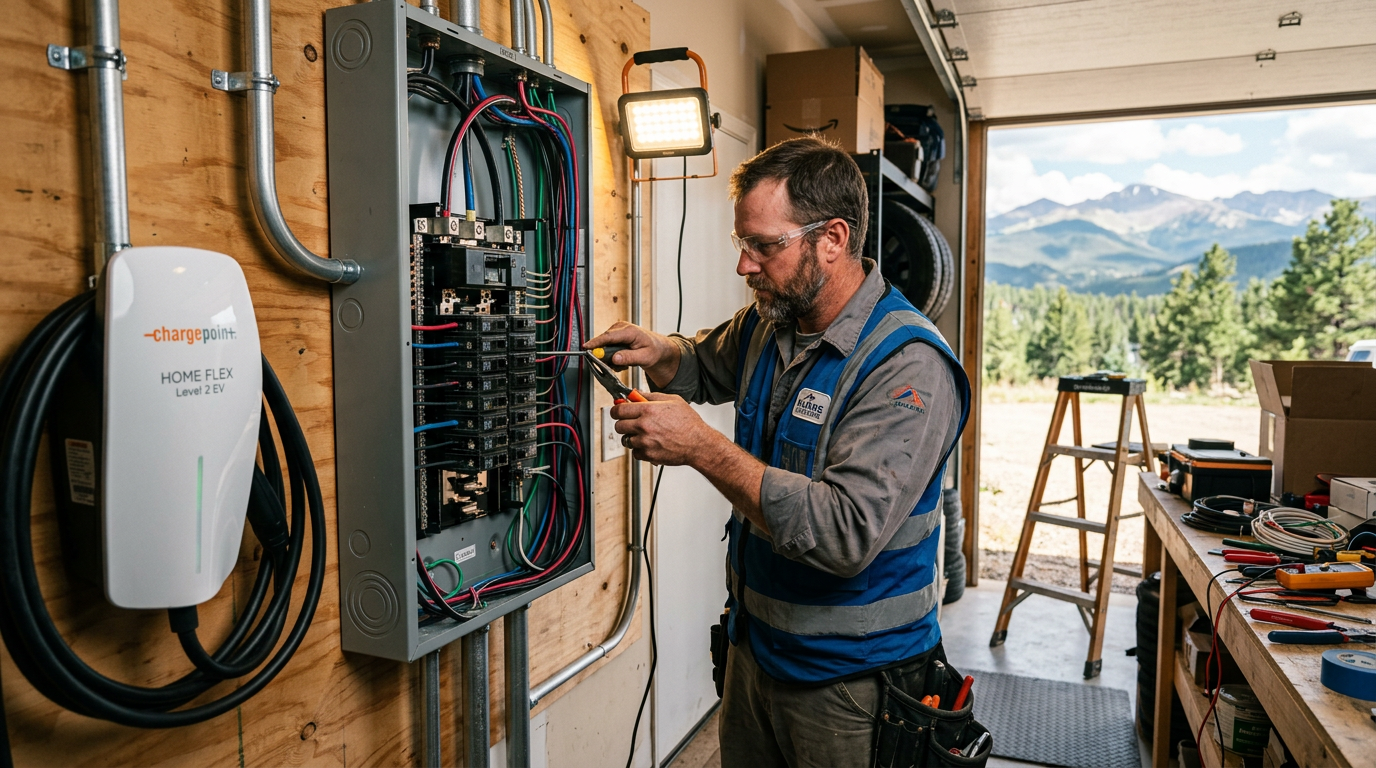
Home Electrification in CO: What It Means for Pro Electricians
At the heart of this transformation is a statewide effort to reduce building emissions and replace fossil-fuel appliances with high-efficiency electric alternatives. This move is creating expanded demand for specialized electrical services, from upgrading service panels to wiring systems for clean energy technologies. For electricians, this translates directly to opportunities for new business, but it also requires a new level of expertise.
The Driving Forces: Codes, Rebates, and a Workforce in Demand
Three powerful currents are converging to accelerate Colorado’s electrification movement: evolving energy codes, financial incentives, and the need for trained labor.
First, Colorado is moving toward adoption of a Model Low Energy/Low Carbon code framework and encouraging jurisdictions to update local codes to reduce building emissions; exact adoption timelines and whether a single statewide mandatory minimum will apply depend on final rulemaking and local code adoption processes. Electricians should monitor the Colorado Energy Office and local building departments for official dates and requirements. These policy shifts generally encourage heat pumps, electric-ready and solar-ready features, and other measures that will directly affect electrical work on new construction.
Second, state and utility incentives are helping make electrification projects more affordable. Many state and utility rebate programs provide meaningful incentives for heat pumps, panel upgrades, and wiring, but amounts and eligibility vary by program and income level. Check the Colorado Energy Office and specific utility programs (for example, Xcel Energy) for current, project-specific rebate amounts and eligibility rules. Major utilities are also expanding programs to encourage efficient electric systems, which can turn homeowner interest into active projects on your schedule.
This surge in demand has highlighted a growing challenge: the need for more skilled electricians. With targets to reduce emissions and increase electrification, industry groups and labor organizations are pressing for expanded workforce training to reduce project backlogs and ensure safe, code-compliant installations. This gap between supply and demand places a premium on licensed professionals, creating a clear path for boosting your earning potential.
The New Core Services: Where the Work Is
The push for all-electric homes is creating demand for several high-value installation jobs. Electricians who master these services will be in strong demand.
Heating and Cooling Transformation
The focus is now squarely on high-efficiency electric systems. This includes:
- Heat pump installation: Functioning as both a heater and an air conditioner, heat pumps are the cornerstone of home electrification. Electricians are essential for wiring these systems, which often require dedicated circuits and a complete load calculation so the home’s electrical distribution is sized correctly (see NEC Article 220 guidance for load calculations).
- Ductless mini-split systems: Ductless mini-splits offer zoned heating and cooling and are another popular heat pump variant. A professional mini split installation requires precise wiring and placement, and careful attention to manufacturer’s instructions and local code requirements.
Water Heating Goes Electric
Water heating is a major energy consumer in most homes. Moving from gas to electric opens a large market for high-efficiency electric water heaters and on-demand tankless electric water heaters. These installations commonly need dedicated, high-amperage circuits and may prompt service upgrades following proper NEC load calculations and installation practices.
The EV Revolution in the Garage
Electric vehicle adoption is driving demand for home charging solutions. EV charger installations involve assessing existing panel capacity, running properly sized 240 V circuits, and complying with the rules and safety requirements in NEC Article 625. As a high-demand service with defined code requirements, EV charging installation is a specialty electricians can pursue. While each utility and jurisdiction has its own interconnection and permitting requirements, the core technical skills are transferable, a pattern also observed in other regional markets such as the Michigan EV charging station sector.
Powering the Future: Critical Infrastructure Upgrades
You can’t build a modern, all-electric home on an undersized electrical service. The biggest hurdle—and opportunity—in home electrification is upgrading the home’s core electrical system. This is where a licensed electrician’s expertise is non-negotiable.
Upgrading service capacity is a common need: many homes move from older 100 A services to 200 A service to support heat pumps, EV charging, and other electrified loads. In larger or specialized homes, higher-capacity services (for example, over 200 A) may be necessary, depending on the load calculation and project requirements. Each upgrade must be designed with a proper load calculation (NEC Article 220), coordination with the supplying utility, and appropriate overcurrent protection and grounding per NEC Articles 230 and 250.
Beyond service upgrades, electricians are seeing work in renewable energy infrastructure, including solar panel wiring and battery storage systems. These systems require compliance with NEC Article 690 for PV systems and careful planning for grounding, rapid-shutdown compliance, inverter interconnections, and battery safety.
Staying Ahead: Your Roadmap for Success
The rapid pace of change in Colorado’s energy landscape requires a commitment to ongoing education. Understanding industry shifts, such as those discussed in electrical work trends for 2025, helps you plan for new services and required training.
Keeping up with code is essential. State and local building departments determine which model energy codes are adopted locally, and the National Electrical Code (NFPA 70) is updated on a regular cycle; the 2023 NEC introduced changes electricians should review, and further revisions are expected for the 2026 NEC cycle. For additional context on recent NEC updates, refer to key changes in the 2023 NEC. Always confirm which code edition your jurisdiction enforces before performing permit work.
The home electrification movement in Colorado represents an opportunity for licensed electricians. By focusing on in-demand services, understanding energy codes and rebate programs, and committing to continuing education, you can position your business at the center of this long-term industry shift. To ensure your skills and knowledge are up to date with the latest codes and trends, browse our courses or contact your state licensing board for approved continuing education that fits your needs.
Colorado Continuing Education Courses
Explore our board-approved continuing education courses for Colorado professionals:
View CE Requirements


Colorado 2023 NEC – 24 hours Electrical License Renewal Package

Disclaimer: The information provided in this educational content has been prepared with care to reflect current regulatory requirements for continuing education. However, licensing rules and regulations can vary by state and are subject to change. While we strive for accuracy, ExpertCE cannot guarantee that all details are complete or up to date at the time of reading. For the most current and authoritative information, always refer directly to your state’s official licensing board or regulatory agency.
NEC®, NFPA 70E®, NFPA 70®, and National Electrical Code® are registered trademarks of the National Fire Protection Association® (NFPA®)
You may also like
Standby Generators in DE: Navigating Coastal Storm Regulations

Upgrading to a Master Electrician License in Delaware
 Login with Google