
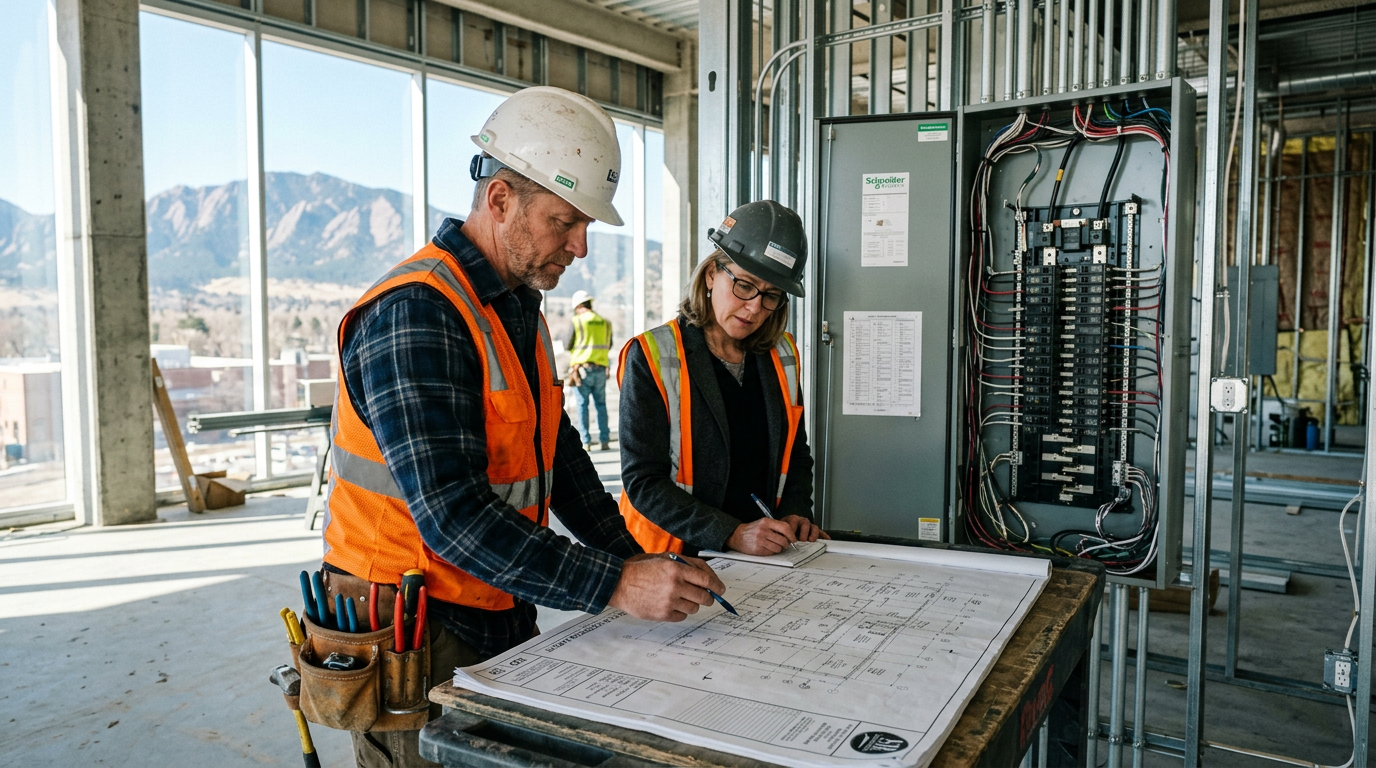
Starting an Electrical Contracting Business in Colorado
Starting an Electrical Contracting Business in Colorado
Colorado’s dynamic economy and growing population create a fertile ground for skilled tradespeople, especially electricians. From the booming construction in Denver and Colorado Springs to the increasing demand for green energy solutions, the opportunity to build a successful electrical contracting business is strong. However, turning your technical skills into a thriving enterprise requires more than just knowing your way around a circuit panel. It involves navigating state licensing, setting up a legal business structure, and understanding the market.
If you’re an experienced electrician ready to be your own boss, this guide provides the industry perspective you need to launch your own electrical contracting business in Colorado. We’ll cover the essential licensing, insurance, and business registration steps to get you started on the right foot.
The Foundation: Colorado Electrical Licensing Explained
In Colorado, the ability to run an electrical contracting business is directly tied to specific licenses administered through the Division of Professions and Occupations at the Department of Regulatory Agencies (DORA). Understanding the different license types is the first step—check DORA for the official lists and application steps.
Electrical Contractor vs. Master Electrician: The Key Distinction
A common point of confusion is the difference between an Electrical Contractor registration and an individual Master Electrician license. Here’s the breakdown:
- Electrical Contractor (business) registration: This is the business-level registration that allows a company to hold itself out as a contractor, bid on jobs, and pull permits. Colorado requires the business to designate a qualified responsible person (typically a licensed Master Electrician) to be responsible for the company’s electrical work and to meet any DORA requirements for contractor registration.
- Master Electrician (ME) License: This is the highest individual electrical license. A Master Electrician has the experience and qualifications to plan, lay out, and supervise electrical work. A licensed Master Electrician is normally required to serve as the responsible/master-level person for an electrical contracting business in Colorado.
- Journeyman Electrician (JW): A licensed Journeyman Electrician in Colorado has completed an approved apprenticeship program (the number of on-the-job hours and classroom instruction is set by the state rules and training programs; many journeyman pathways involve roughly four years of combined work and classroom training) and can perform a wide range of electrical work under the supervision of a Master Electrician. However, a Journeyman cannot act as the qualifying master for a contractor registration or sign as the responsible master for a contracting business.
- Residential Electrician (RW): A Residential Electrician (sometimes called a residential wireman depending on jurisdiction) is limited to residential properties such as single-family and multi-family dwellings. The specific experience or hour requirement for the residential classification is set by state rules and approved apprenticeship or training programs; check DORA for the current Colorado requirement.
Essentially, to start your own business, you’ll need to obtain (or register) as an electrical contractor and ensure the company meets DORA’s requirement to have a licensed Master Electrician serve as the responsible party. The practical journey typically begins with an apprenticeship or attending an electrician school, progressing to a Journeyman, and finally achieving Master status. For a deeper dive into this career path, explore how to become a licensed electrician.
Building Your Business: Legal and Structural Steps
With the licensing path clear, the next phase involves establishing the legal and financial framework for your company. This is where your identity shifts from just an electrician to a business owner.
Registering with the Colorado Secretary of State
Before you can operate, you must formally register your business entity with the Colorado Secretary of State. You have several structures to choose from, with the most common for contractors being:
- Sole Proprietorship: The simplest structure, but it offers no liability protection, meaning your personal assets are at risk.
- Limited Liability Company (LLC): A popular choice that separates your personal assets from business debts and lawsuits, offering a crucial layer of protection.
- Corporation (S-Corp or C-Corp): A more complex structure with more formal requirements, but it can offer tax advantages for established businesses.
You can register your business online through the Secretary of State’s website by filing the appropriate formation documents, such as the Articles of Organization for an LLC.
Insurance: Protecting Your Business and Your Team
Proper insurance is not just a good idea—it’s often required and it’s a critical safety net. For your Colorado electrical business insurance, you should secure these key policies:
- Workers’ Compensation: If you employ others, Colorado law requires workers’ compensation insurance. This is mandatory for employers; check the Colorado Department of Labor and Employment for your obligations and the registration steps.
- General Liability Insurance: This protects your business from third-party claims of property damage or bodily injury caused by your work. Many clients and municipalities ask for proof of general liability coverage; common request levels are $1,000,000 per occurrence for commercial contracts, but local requirements vary—confirm local permit and contract minimums.
- Commercial Auto Insurance: If you use vehicles for business purposes, Colorado requires auto insurance and commercial use typically requires a commercial auto policy—confirm required minimums with your insurer and local regulations.
Staying Compliant: Code and Regulations
Operating a successful business means staying current with the rules that govern your trade. This includes code adherence and proper hiring practices.
The Current Colorado Electrical Code
Colorado references the National Electrical Code (NEC). State-level adoption dates and any statewide amendments vary—municipalities frequently adopt the NEC on their own schedule and may add local amendments. Always verify the currently adopted NEC edition and effective date with the Colorado State Electrical Board (DORA) and your local building department. For technical NEC requirements, refer to the NEC (NFPA 70) and stay current through continuing education.
Hiring Licensed Electricians in Colorado
As you grow and start hiring licensed electricians in Colorado, verify that each employee holds a valid, active license with DORA. Employing unlicensed individuals is unlawful. License reciprocity and portability vary by state; for more on licensing mobility, see electrician license portability to learn where out-of-state licenses may be recognized or where additional steps are required.
Growing Your Electrical Contracting Business
Once your business is legally established and compliant, the focus shifts to growth and profitability.
- Develop an Electrical Contracting Business Plan: A solid business plan is your roadmap. It should outline your target market (e.g., residential, commercial, or industrial), services offered, financial projections, and electrician marketing strategies.
- Master Electrical Estimating and Bidding: Your profitability hinges on accurate electrical estimating and bidding. Underbid and you risk losses; overbid and you lose work. Invest in software and training to hone this skill. Some license categories and specialties tend to be more profitable—research market demand and licensing strategy. Learn more about which specializations can be lucrative at profitable contractor licenses.
- Consider Broader Licenses: As your projects grow and you manage multiple trades, you may explore whether a local general contractor license is appropriate for your business model. For context on the relationship between electrical contracting and general contracting, see general contractor license for an electrician.
By building on a strong legal and regulatory foundation and implementing practical business strategies, you can turn your technical expertise into a leading electrical contracting business in Colorado. Staying informed on code changes and business practices is key to long-term success.
Ready to keep your skills sharp? Browse our courses to find state-approved continuing education on the latest NEC updates and more.
Frequently Asked Questions
- Can a Journeyman Electrician start their own business in Colorado?
- A Journeyman Electrician cannot serve as the qualifying master for an electrical contracting registration in Colorado. To obtain an electrical contractor registration, the business must designate a qualifying Master Electrician (or otherwise meet DORA’s qualifying-agent requirements) to be legally responsible for the firm’s electrical work and permitting.
Colorado Continuing Education Courses
Explore our board-approved continuing education courses for Colorado professionals:
View CE Requirements
Colorado 2023 NEC – 24 hours Electrical License Renewal Package

Disclaimer: The information provided in this educational content has been prepared with care to reflect current regulatory requirements for continuing education. However, licensing rules and regulations can vary by state and are subject to change. While we strive for accuracy, ExpertCE cannot guarantee that all details are complete or up to date at the time of reading. For the most current and authoritative information, always refer directly to your state’s official licensing board or regulatory agency.
NEC®, NFPA 70E®, NFPA 70®, and National Electrical Code® are registered trademarks of the National Fire Protection Association® (NFPA®)
You may also like
Delaware’s EV Charging Growth: A Guide for Pro Electricians

Starting an Electrical Business in Delaware: A Contractor’s Guide
 Login with Google