
Mississippi Electrician Job Market: Industries & Salary Outlook
Mississippi Electrician Job Market: Industries & Salary Outlook
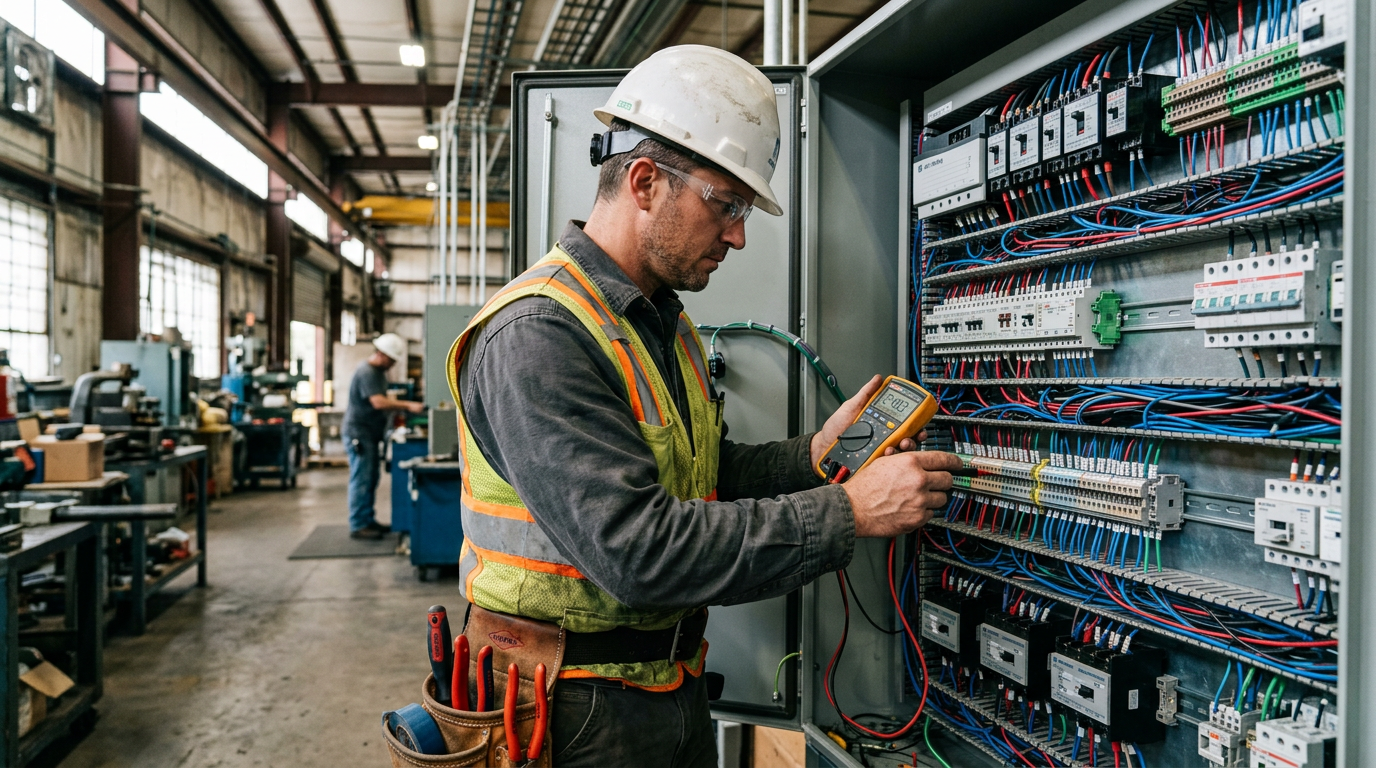
For skilled electricians, Mississippi offers a dynamic and evolving landscape of opportunity. While not always the first state that comes to mind for major industrial projects, a closer look at the Mississippi electrician job market reveals a surprising depth of demand across several key sectors. From the shipyards on the Gulf Coast to manufacturing hubs and a growing renewable energy field, the Magnolia State presents a solid career path for electricians at every level.
For those considering a career here, understanding the economic drivers is key. The state is seeing ongoing investment in industrial, commercial, and energy projects, creating opportunities for both seasoned professionals and those just starting out with an electrical apprenticeship program in Mississippi. This article explores salary expectations and the major industries fueling the need for qualified electricians.
Understanding Electrician Salaries in Mississippi
One of the first questions for anyone evaluating a job market is “how much does an electrician make?” Compensation in Mississippi depends heavily on license level, industry, and location. According to the U.S. Bureau of Labor Statistics, electricians in Mississippi earn a mean annual wage that is below the national average; consult the BLS state occupational data for the most recent figure. While statewide averages may be lower than in other parts of the country, Mississippi’s lower cost of living often makes take-home pay competitive. For a different regional perspective, you might be interested in the electrician salary and job outlook in Alaska.
Journeyman Electrician Salary Mississippi
A licensed journeyman electrician is the backbone of the industry. In Mississippi, journeyman pay varies by experience, employer, specialization, and location; for current median and percentile wage data, consult the BLS state occupational statistics. Specialties such as industrial controls or work at high-demand coastal shipyards can cause wages to trend higher than local medians.
Residential Electrician Salary
A residential electrician focuses on wiring homes, apartments, and housing developments. Residential electricians typically see pay that reflects local demand and the statewide electrician median. Many residential electricians supplement base pay with overtime or independent work, which can significantly increase annual income. For up-to-date percentile or median values, check the BLS data for Mississippi.
Master Electrician Earning Potential
Reaching the master electrician level signifies a high degree of expertise and opens the door to higher earning potential, including running an electrical contractor business in Mississippi. Master electricians who supervise crews or own firms can see markedly higher incomes than journeymen—how much higher depends on business volume, local market rates, and project types.
Key Industries Driving Demand for Electricians in Mississippi
Mississippi’s diverse economy relies heavily on skilled trades, and electricians are critical to its most active sectors. From naval shipyards to automotive plants and food processing, demand for qualified electrical professionals is consistent.
Shipbuilding: A Major Hub for Shipbuilding Electrician Jobs
The Gulf Coast, particularly Pascagoula, is a national center for shipbuilding. Major employers like HII’s Ingalls Shipbuilding, a very large private employer on the Gulf Coast, regularly hire electricians for complex naval and Coast Guard projects. These shipbuilding electrician jobs are highly specialized and involve the installation, repair, and maintenance of power, navigation, and systems used onboard large vessels. A career as a marine electrician in this region offers stable, long-term employment with competitive wages; job openings are commonly posted for Pascagoula and neighboring port cities.
Manufacturing and Industrial Electrician Jobs Mississippi
Mississippi is home to a broad manufacturing sector — from automotive suppliers to food processing and building-materials plants — which creates steady demand for industrial electrician jobs in Mississippi. Industrial electricians install, maintain, and troubleshoot complex machinery, automated systems, and programmable logic controllers (PLCs). Cities across the state host manufacturing operations that rely on skilled electricians for both construction and ongoing maintenance work.
Commercial Electrician Opportunities
As metropolitan areas like Jackson, Gulfport, and Southaven grow, so does the need for schools, hospitals, offices, and retail centers. Commercial electricians perform project-based construction work and building fit-outs, making this sector a steady employer for electricians who prefer construction and system installation roles.
The Rise of Renewable Energy Electrician Mississippi
The renewable energy electrician Mississippi job market is expanding. Utilities and private developers have announced plans and procurements for utility-scale solar and other renewables across the region. Those developments create jobs for electricians in construction, installation, commissioning, and ongoing maintenance—particularly for workers trained in PV system installation and photovoltaic maintenance. Check announcements from utilities and project developers for current local hiring forecasts.
Licensing and Career Advancement in Mississippi
The path to top earnings in Mississippi is built on experience and proper licensing. Many electricians begin in apprenticeship programs that combine on-the-job training and classroom instruction. From there, individuals pursue journeyman and master-level credentials administered by state or local licensing jurisdictions.
For those planning to bid on larger commercial projects or operate as contractors, licensing and registration requirements are administered by state boards and local authorities. Contractors must consult the Mississippi State Board of Contractors (MSBOC) or relevant local jurisdiction to confirm current license classes, monetary thresholds, and application requirements. Achieving master-level qualifications and passing the applicable exams enables an electrician to supervise larger jobs and, where allowed, run their own business. For those preparing for that step, a structured master electrician exam prep study plan can be a useful resource. Reciprocity and the recognition of out-of-state qualifications vary by license type and issuing authority; check the MSBOC or local licensing agency for guidance about accepted examinations and reciprocal arrangements.
Staying Competitive: Training and Code Knowledge
Ongoing education is essential. A solid understanding of the National Electrical Code (NEC) is fundamental to safe, compliant work. Code adoption and enforcement may vary across jurisdictions in Mississippi, so electricians must confirm which NEC edition is enforced by the local authority having jurisdiction (AHJ) where they work. Beyond code knowledge, specialized training in industrial automation, fire alarm systems, and renewable energy can improve job prospects and pay. Continuous learning through online electrical courses and electrical safety training is critical. ExpertCE offers a range of continuing-education options, including state-specific resources for Mississippi; see their Mississippi electrical CE requirements for course options.
Related Resources
- For those considering entrepreneurship, our guide on starting an electrical business offers valuable insights, though regulations vary by state.
- To learn more about licensing in another state, see our Alaska electrician license guide.
The Mississippi electrician job market offers a wealth of opportunity for those with the right skills and ambition. With steady demand in shipbuilding, manufacturing, commercial construction, and an expanding renewable-energy sector, electricians in the Magnolia State have multiple career paths to consider.
Advance your career in Mississippi. Browse our NEC and professional development courses.
Continuing Education by State
Select your state to view board-approved continuing education courses and requirements:

Disclaimer: The information provided in this educational content has been prepared with care to reflect current regulatory requirements for continuing education. However, licensing rules and regulations can vary by state and are subject to change. While we strive for accuracy, ExpertCE cannot guarantee that all details are complete or up to date at the time of reading. For the most current and authoritative information, always refer directly to your state’s official licensing board or regulatory agency.
NEC®, NFPA 70E®, NFPA 70®, and National Electrical Code® are registered trademarks of the National Fire Protection Association® (NFPA®)
You may also like
Delaware’s EV Charging Growth: A Guide for Pro Electricians

Starting an Electrical Business in Delaware: A Contractor’s Guide
 Login with Google