
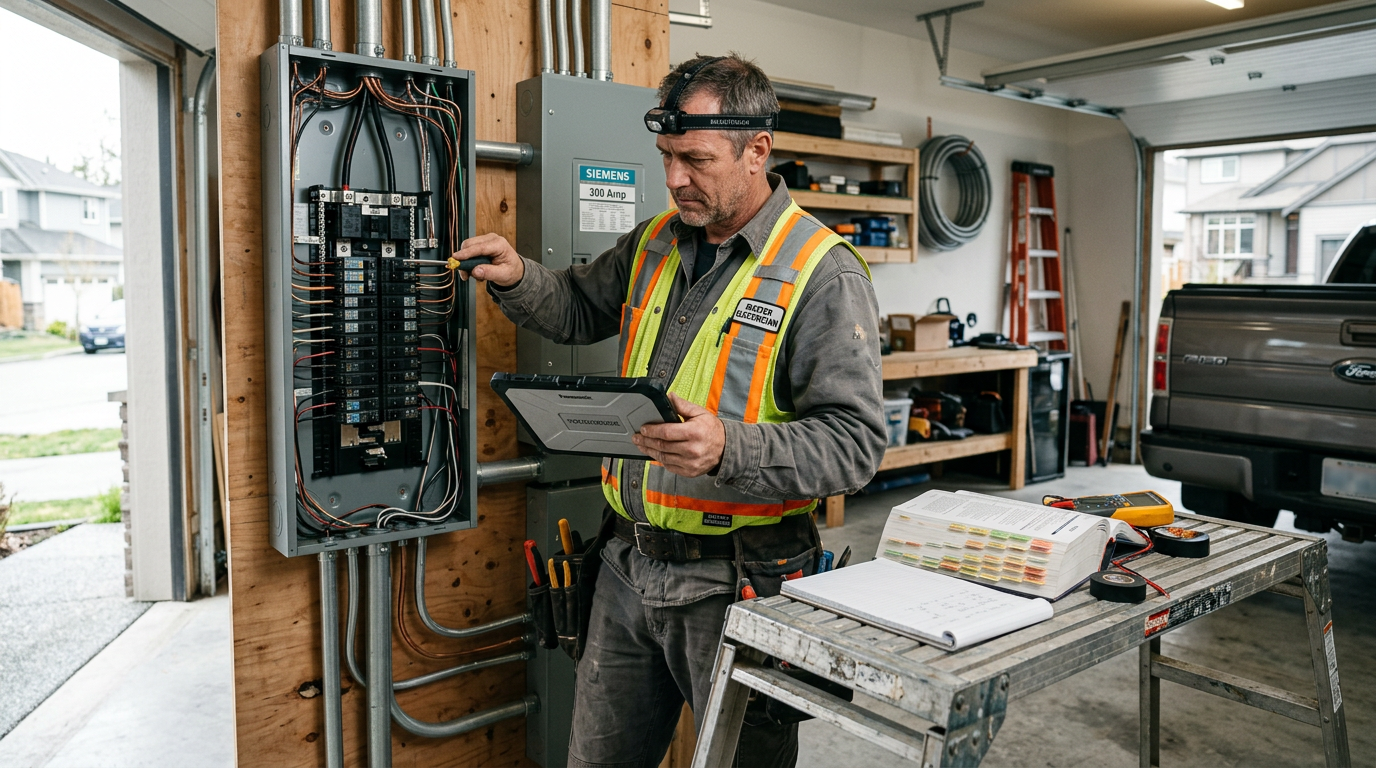
Key Delaware Amendments to the NEC: What Pros Must Know
The Great Leap Forward: Delaware Adopts the 2020 NEC
In a decisive move, the Delaware Fire Prevention Commission adopted the 2020 edition of NFPA 70 (the NEC), effective September 1, 2021; check state regulations or the Delaware Fire Marshal for the most current amendments. By skipping the 2017 NEC entirely in its adoption cycle, some professionals needed to integrate multiple cycles of code changes into their day-to-day work. The NEC, published by the National Fire Protection Association, is the bedrock of electrical safety, and understanding its intricacies is fundamental. If you need a refresher on the basics, you can explore our article on what the NFPA 70 is and why it matters. This adoption of the 2020 NEC Delaware standard impacts all forms of electrical work, from residential service calls to large-scale commercial projects.
Crucial AFCI & GFCI Protection Rules Under the 2020 NEC
Among the most impactful changes for Delaware electricians are the expanded requirements for Arc-Fault Circuit Interrupter (AFCI) and Ground-Fault Circuit Interrupter (GFCI) protection under the adopted 2020 NEC. While part of the national standard, their implementation represents a major shift from the previous 2014 code used in the state.
GFCI Requirements Delaware: A Closer Look at Outdoor Outlets
A notable change for pros is the expanded GFCI requirement for outdoor outlets in NEC 210.8(F). Specifically, Delaware amended NEC 210.8(F) to include Exception No. 2, which exempts listed HVAC equipment from GFCI protection until September 1, 2026. While the NEC TIA provided similar relief, Delaware’s regulations explicitly codify this expiration date. Every commercial electrician Delaware and residential pro must ensure compliance for outdoor receptacles and review the NEC wording and local amendments before finalizing a plan or inspection strategy.
AFCI Protection Rules and Dwelling Units
With adoption of the 2020 NEC, AFCI protection requirements in NEC 210.12 apply broadly. NEC 210.12 requires combination-type AFCI protection for 120-volt, single-phase, 15- and 20-ampere branch circuits supplying outlets or devices in many dwelling unit locations. This includes kitchens, family rooms, dining rooms, living rooms, parlors, libraries, dens, bedrooms, sunrooms, recreation rooms, closets, hallways, laundry areas, and similar rooms or areas. This broad application of AFCI protection rules underscores a major safety update for residential settings, a key area of knowledge for anyone specializing in services for the residential market. As always, verify any Delaware-specific modifications with the AHJ.
The Future is Now: Energy Storage and Solar Panel Code Impacts
As technology evolves, so does the code. Delaware’s adoption of the 2020 NEC brings Article 706 (Energy Storage Systems) into the state code environment; electricians need to be conversant with both the NEC’s Article 706 and the national consensus standard NFPA 855 where it is referenced or adopted by the AHJ.
Navigating NFPA 855 for Energy Storage Systems
The 2020 NEC added Article 706 (Energy Storage Systems) and references NFPA 855 as the national standard for stationary energy storage systems. Where an AHJ adopts or references NFPA 855, electricians must ensure installations comply with both the NEC’s Article 706 requirements and the provisions of NFPA 855. Confirm with the Delaware Fire Prevention Commission or the local AHJ whether NFPA 855 has been incorporated into state regulations or remains a separate standard to be applied by reference.
Powering Through Restrictions: The Delaware Solar Panel Code Landscape
While Article 690 PV systems in the nec code book provides the technical installation framework, Delaware has also addressed the business and legal landscape for residential solar. In 2019 the state acted to limit homeowner association covenants that unreasonably restrict residential solar installations; contractors and homeowners should consult the Delaware Code or the bill text for the exact statutory language and effective date. That statutory change is an important development for electricians and solar installers, as it affects permitting and homeowner rights when working on residential PV projects.
How These NEC Variations Impact Your Delaware Electrical Licensing
For any professional holding a master electrician license or journeyman electrician regulations license in Delaware, staying current isn’t optional—it’s a core requirement for renewal and professional survival. These Delaware-specific NEC variations and new adoptions directly influence project planning, bidding, and execution. A failure to account for AFCI rules or the requirements related to energy storage systems can lead to failed inspections, costly rework, and potential liability.
The path to licensure, whether for a journeyman electrician, master, or residential electrician, requires rigorous electrician training and examination. Keeping that hard-earned license active means committing to ongoing education. The best way to stay ahead of these complex local rules is through dedicated electrical continuing education DE. Our Delaware electrical licensing renewal courses are fully updated to cover these critical code changes. Our online electrical courses are designed for busy professionals, ensuring you get the accurate information you need to keep your projects compliant and your license in good standing. Our Delaware CE courses cover all state-specific code changes.
Looking Ahead: The 2023 NEC and Local Adoption
Change is constant in the electrical industry. Many jurisdictions will evaluate or adopt the 2023 NEC on different timetables. Check the Delaware Fire Prevention Commission or your local AHJ for the current adoption status and the effective date before relying on the 2023 edition for permitting and inspections. For those wanting a head start, you can begin to navigate the 2023 NEC code book with our helpful resources.
Delaware Continuing Education Courses
Explore our board-approved continuing education courses for Delaware professionals:
View CE Requirements


Disclaimer: The information provided in this educational content has been prepared with care to reflect current regulatory requirements for continuing education. However, licensing rules and regulations can vary by state and are subject to change. While we strive for accuracy, ExpertCE cannot guarantee that all details are complete or up to date at the time of reading. For the most current and authoritative information, always refer directly to your state’s official licensing board or regulatory agency.
NEC®, NFPA 70E®, NFPA 70®, and National Electrical Code® are registered trademarks of the National Fire Protection Association® (NFPA®)
You may also like
Standby Generators in DE: Navigating Coastal Storm Regulations

Upgrading to a Master Electrician License in Delaware

 Login with Google