
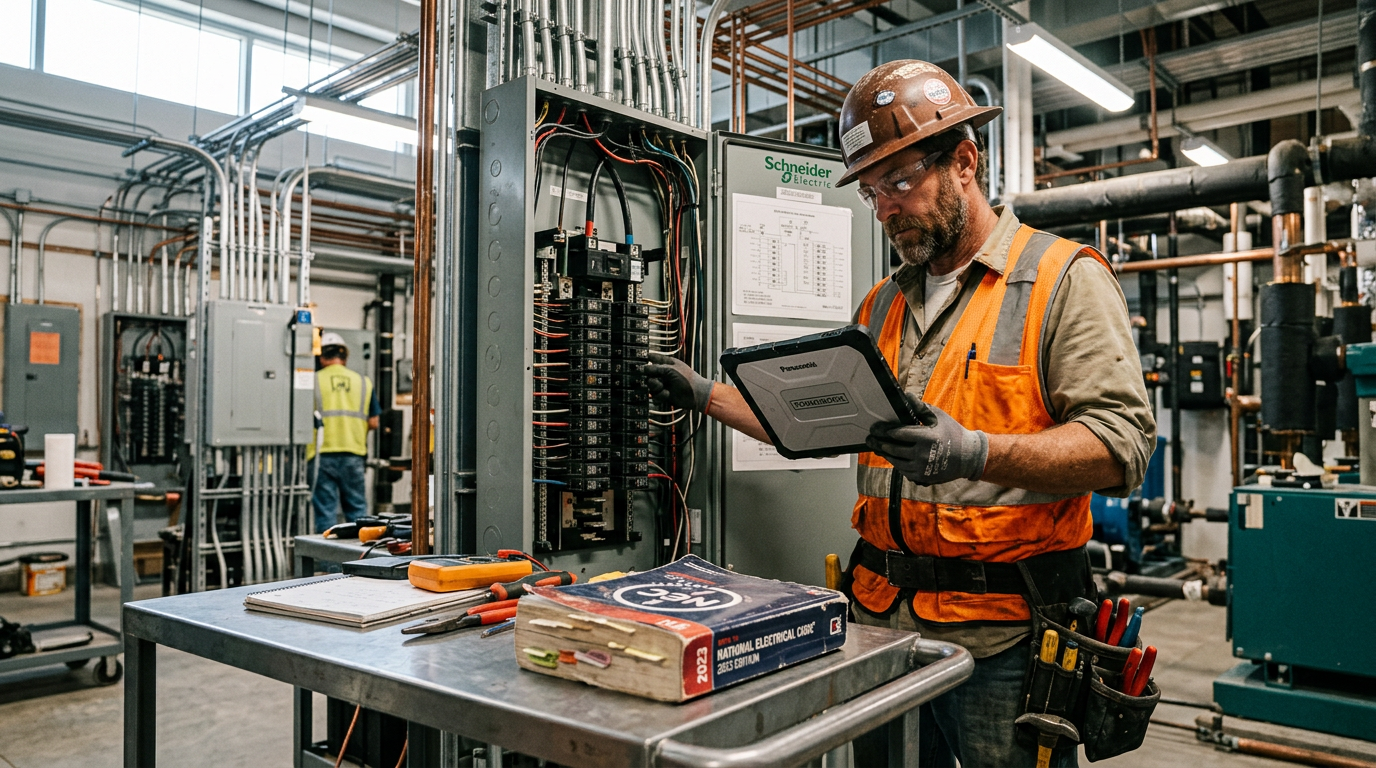
Michigan Electrician License Renewal & CE Guide for 2025
Michigan Electrician License Renewal & CE Guide 2025
For Michigan’s electrical professionals, staying current isn’t just about the latest tools or techniques—it’s a mandatory part of maintaining your license. With the state’s recent adoption of the 2023 National Electrical Code (NEC), the clock is officially ticking on a critical deadline. On March 12, 2024, the Michigan Department of Licensing and Regulatory Affairs (LARA) put the new code into effect, triggering a mandatory continuing education requirement for all licensed electricians. You now have until March 11, 2025, to complete your required code update course. This isn’t just another administrative task; it’s a crucial step to ensure you’re working to the highest standards of safety and compliance, protecting both the public and your career. This guide will demystify the Michigan electrician license renewal process, clarify the unique CE requirements, and help you navigate the path to a successful and timely renewal.
Decoding Michigan’s Unique CE Requirement: It’s Not Annual
Unlike many states with a fixed biennial or triennial CE schedule, Michigan has an event-driven requirement. You are only required to complete continuing education within the 12-month period following the state’s adoption of a new National Electrical Code. This unique system means you need to stay alert to updates from the LARA electrical division and the Electrical Administrative Board.
The most recent and relevant event was the adoption of the 2023 NEC, which became effective on March 12, 2024, through updates to the Michigan Part 8 Rules. This action started a one-year countdown for every licensed electrician in the state.
Key Deadline: All licensees must complete a state-approved National Electrical Code update course by March 11, 2025, to be compliant.
Your 2025 CE Checklist: Hours & Topics by License Type
The state of Michigan does not take a one-size-fits-all approach to continuing education. The required hours vary based on your specific license type. It is essential to enroll in a course designed for your license to ensure you meet the state’s standards. Finding an approved CE provider that offers state-specific online electrician courses is the most efficient way to meet your obligation.
Here are the specific requirements for the current cycle, according to LARA guidelines:
| License Type | Required CE Hours | Course Content Focus |
|---|---|---|
| Master Electrician | 15 Hours | 2023 NEC Code Update & Michigan Electrical Code Rules |
| Journeyman Electrician | 15 Hours | 2023 NEC Code Update & Michigan Electrical Code Rules |
| Fire Alarm Specialty Technician | 15 Hours | 2023 NEC Code Update & Michigan Rules |
| Sign Specialist License | 8 Hours | 2023 NEC Code Update & Michigan Rules (Specialized) |
Note: While this information is based on current LARA requirements, it is always best practice to verify specific hours with the board directly.
The 2023 NEC in Michigan: What It Means for Your Work
The transition to the 2023 NEC brings significant changes that impact daily operations, especially in commercial and multi-family residential settings. While one- and two-family dwellings largely remains on older code, the state has adopted specific 2023 NEC requirements such as emergency disconnects and surge protection for residential dwellings via the Part 8 Rules. According to LARA’s “2023 Michigan Electrical Code, Part 8 rules” (effective March 12, 2024), the 2023 NEC is the standard for most new work. Staying ahead of these changes is key to passing inspections and delivering safe, compliant installations.
Key areas of change in the 2023 NEC include:
- Emergency Disconnects: New requirements for exterior emergency disconnects on new and renovated residential services to improve first responder safety.
- GFCI & AFCI Protection: Expanded requirements for Ground-Fault and Arc-Fault Circuit Interrupters in more locations, enhancing protection against shock and fire hazards.
- Surge Protection: Mandates for surge protective devices (SPDs) for services on residential buildings.
- EV Charging: Updated articles addressing the growing demand for electric vehicle charging infrastructure.
- For a deeper dive into these topics, consider expert tips for license renewal.
Understanding these updates is the primary goal of your Michigan electrician continuing education. A quality code update course will not only satisfy your CE requirement but also equip you with the practical knowledge to implement these changes correctly.
Navigating Your License Renewal: Annual Fees vs. Triennial Cycles
The Michigan electrician license renewal process can be confusing because the fee payment schedule is different from the continuing education cycle and varies by license type. It’s critical to understand the distinction to keep your license in good standing.
The renewal structure is as follows:
- Master Electrician & Journeyman Electrician Licenses: These individual licenses expire on December 31st of each year. You have a 60-day grace period to renew by paying the fee, making the final deadline March 1st. This is an annual, fee-based renewal. The journeyman electrician renewal and master electrician license renewal are separate from the CE requirement.
- Electrical Contractor License: This license operates on a triennial license renewal cycle. The license expires on December 31st of every third year and is also renewable until March 1st of the following year. The status of this license depends on the qualifying Master Electrician maintaining their individual license.
After completing your CE, your approved provider reports your hours to the state, often through a system like CE Broker. You must still complete the separate license renewal application and pay the fee through LARA’s online portal.
Related Resources
- Starting an Electrical Business in Michigan
- Michigan Electrician Salary & Job Market Outlook
- Michigan Builder’s License vs. Electrical License: What’s the Difference?
Michigan Continuing Education Courses
Explore our board-approved continuing education courses for Michigan professionals:
View CE Requirements
Michigan – 15 hours NEC 2023 Code Changes Update
Michigan – 8 hours NEC 2023 Changes for Sign Specialist
Frequently Asked Questions (FAQ)
Is continuing education required every year for my Michigan electrical license?
No. CE is only required in the 12-month period immediately following Michigan’s adoption of a new National Electrical Code.
What is the final deadline to complete my 2023 NEC update course?
The absolute deadline is March 11, 2025. It is highly recommended to complete your course well before this date to ensure timely reporting to LARA and avoid any renewal complications.
How do I find approved Michigan electrician continuing education courses?
You must take a course from a provider approved by LARA’s Bureau of Construction Codes. Providers should clearly state their approval on their websites. These courses are specifically designed to cover the Michigan electrical code rules and the latest NEC updates.
Don’t Miss the 2025 Deadline
The March 11, 2025, deadline for completing your mandatory code update course is firm. Procrastinating not only risks a lapse in your license but also means you’re not up-to-date on the codes you are legally required to follow. By acting now, you can ensure your compliance, enhance your professional knowledge, and continue to operate safely and effectively in Michigan’s electrical industry. Ready to knock out your requirements with a trusted, state-approved provider?
Browse our LARA-approved online courses today to fulfill your Michigan electrician continuing education requirements.
Disclaimer: The information provided in this educational content has been prepared with care to reflect current regulatory requirements for continuing education. However, licensing rules and regulations can vary by state and are subject to change. While we strive for accuracy, ExpertCE cannot guarantee that all details are complete or up to date at the time of reading. For the most current and authoritative information, always refer directly to your state’s official licensing board or regulatory agency.
NEC®, NFPA 70E®, NFPA 70®, and National Electrical Code® are registered trademarks of the National Fire Protection Association® (NFPA®)
You may also like
Standby Generators in DE: Navigating Coastal Storm Regulations

Upgrading to a Master Electrician License in Delaware
 Login with Google