
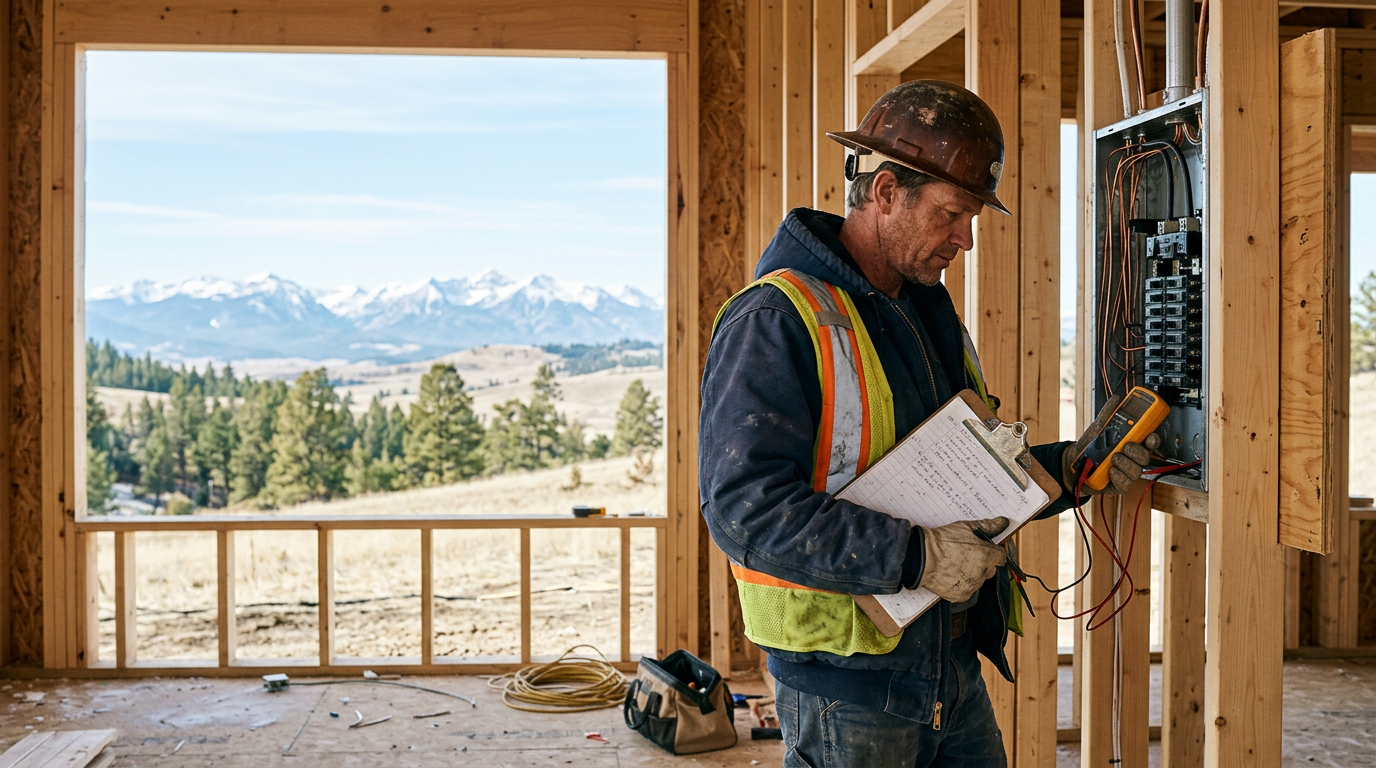
Montana Electrical License Reciprocity: An Overview
Montana Electrical License Reciprocity: A Comprehensive Overview
Navigating the path to an electrical license in a new state can be complex, but Montana offers a streamlined route for qualified professionals through Substantial Equivalency (SE) – the modern standard that has effectively expanded and refined traditional reciprocity. Whether you are a Journeyman, Master, or Residential electrician, understanding how Montana evaluates out-of-state credentials is key to getting on the job faster.
Moving Beyond Traditional Reciprocity
While many in the industry still use the term “reciprocity,” the Montana State Electrical Board has shifted to a Substantial Equivalency model. This means the Board evaluates whether your current home state’s licensing standards were equal to or greater than Montana’s at the time you were licensed.
Licensure by Endorsement
The formal process for this transition is now officially called Licensure by Endorsement. If your home state is found to be Substantially Equivalent (SE), the Board “endorses” your out-of-state credentials, allowing you to bypass the Montana exam.
The “NERA” Group Still Exists
Despite the change in legal language toward SE, Montana continues to honor a specific list of 13 states often associated with the National Electrical Reciprocal Alliance (NERA). Because these states’ licensing standards have been pre-vetted and determined to be Substantially Equivalent, applicants from these jurisdictions typically experience a smoother endorsement process.
Reciprocal States: AK, AR, CO, MN, NE, NH, NM, ND, OK, SD, TX, UT, WY
SE Standards by License Type
Montana sets specific experience thresholds that your home state must have required for you to qualify for endorsement without an exam.
1. Master Electricians
To meet SE requirements, your out-of-state license must have required the passage of an electrical exam plus one of the following:
- A graduate electrical engineering degree from an accredited college plus at least 2,000 hours of practical experience.
- At least 8,000 hours of journeyman-level experience in planning, laying out, or supervising electrical installations.
2. Journeyman Electricians
For Journeymen, the SE standard requires an exam plus one of the following:
- Completion of an approved apprenticeship program or training by a bona fide union or trade association.
- 8,000 hours of legally obtained practical experience in the wiring for, installing, and repairing of electrical
apparatus and equipment for light, heat, and power. - 20,000 hours in the electrical maintenance field (with at least 8,000 being practical experience).
3. Residential Electricians
Residential applicants must show an exam plus one of the following:
- Completion of an approved apprenticeship program or training by a bona fide union or trade association.
- 4,000 hours of legally obtained practical experience in the wiring for, installing, and repairing of electrical
apparatus and equipment for light, heat, and power. - 20,000 hours in the electrical maintenance field (with at least 8,000 being practical experience).
The Application Process: What You Need
Regardless of your license type, the application fee for reciprocity or endorsement in Montana is $190.00.
Download Official Application Forms
| License Type | Direct PDF Download |
|---|---|
| Master Electrician | Download Montana Master Electrician Application |
| Journeyman Electrician | Download Montana Journeyman Electrician Application |
| Residential Electrician | Download Montana Residential Application Application |
In addition to the form, you must provide:
- License Verifications: Official verification for every professional license you have ever held.
- Experience Verification: If your state is not pre-determined as SE, submit an Experience Verification Affidavit completed by your previous employers.
- Discipline/Criminal History: Full disclosure of any past disciplinary actions or criminal convictions.
Montana Electrical Examination Overview
If your state is not Substantially Equivalent, you must take the computer-based exam via PSI. Exams are open-book and based on the 2020 National Electrical Code (NEC).
| Exam Type | Questions | Passing Score | Time Allowed |
|---|---|---|---|
| Master | 80 | 75% | 240 Min |
| Journeyman | 60 | 70% | 180 Min |
| Residential | 50 | 70% | 150 Min |
Streamline Your Success with ExpertCE
Transitioning your license to Montana is a major step for your career. At ExpertCE.com, we specialize in providing the continuing education and resources you need to stay compliant and excel in your trade.
Ready to start? Visit the Montana State Electrical Board portal to begin your application today.
Montana Continuing Education Courses
Explore our board-approved continuing education courses for Montana professionals:
View CE Requirements
Montana – 8 hours NEC Code Updates (Part 1)
Montana – 8 hours NEC Code Updates (Part 2)
Montana – 16 hours NEC 2023 Code Changes
Disclaimer: The information provided in this educational content has been prepared with care to reflect current regulatory requirements for continuing education. However, licensing rules and regulations can vary by state and are subject to change. While we strive for accuracy, ExpertCE cannot guarantee that all details are complete or up to date at the time of reading. For the most current and authoritative information, always refer directly to your state’s official licensing board or regulatory agency.
NEC®, NFPA 70E®, NFPA 70®, and National Electrical Code® are registered trademarks of the National Fire Protection Association® (NFPA®)
You may also like
Delaware Electrical License Reciprocity with MD, PA & NJ

Alabama Electrical License Reciprocity: A 2025 Guide
 Login with Google